Toyota finally returned to the summit of endurance racing as Kamui Kobayashi, Mike Conway and Nyck de Vries claimed victory in the 2026 Le Mans 24 Hours, ending Ferrari’s three-year winning streak in a race that underlined why the current Hypercar era has become one of the most competitive in the history of the French classic.
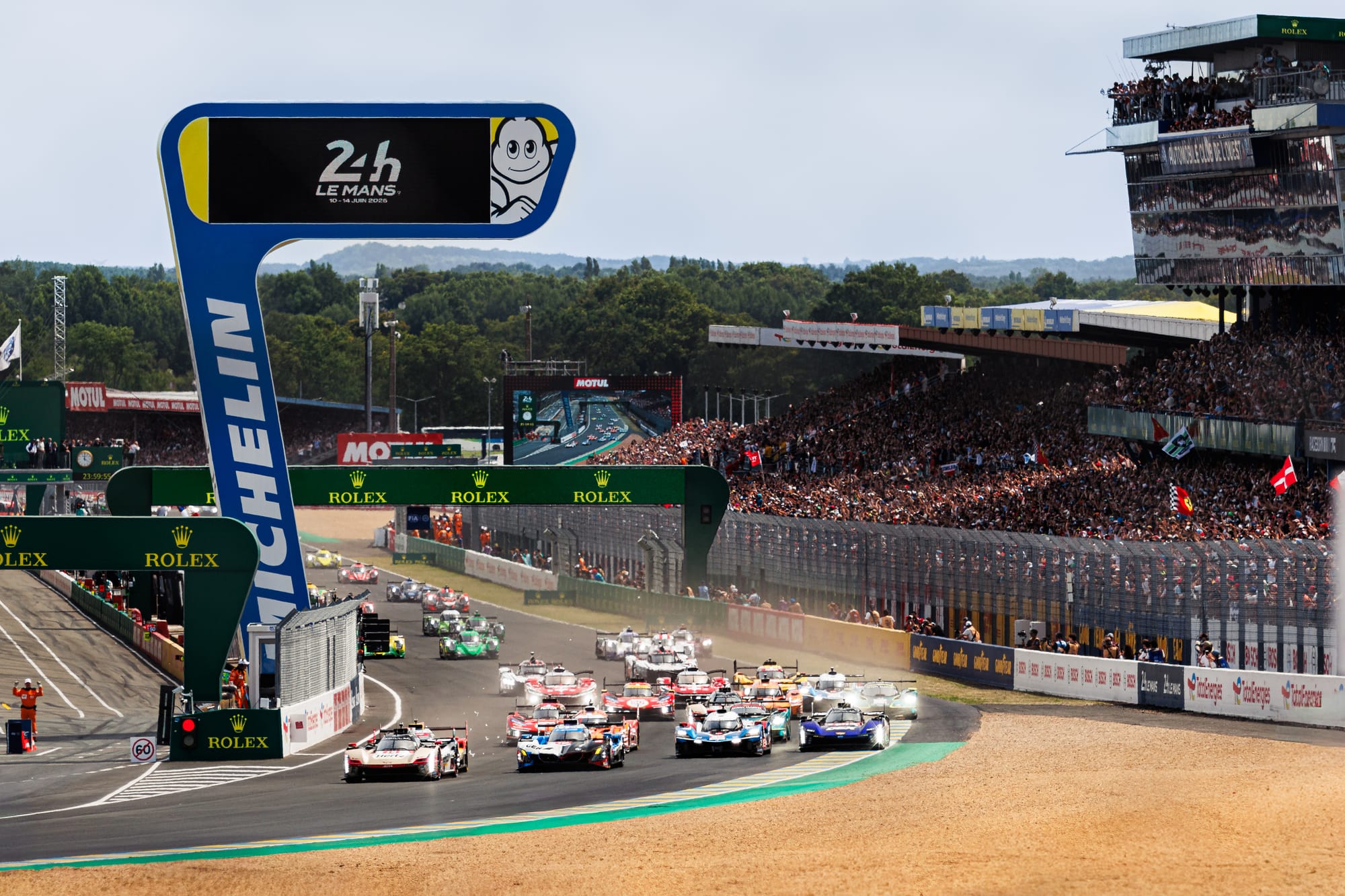
After 24 hours and 381 laps of relentless competition around the Circuit de la Sarthe, the #7 Toyota GR010 Hybrid crossed the finish line just 10.913 seconds ahead of BMW’s #20 M Hybrid V8, making it the closest outright finish in FIA World Endurance Championship-era Le Mans history. Toyota’s sister #8 entry completed the podium in third, securing a double podium finish for the Japanese manufacturer in front of a record crowd of more than 350,000 spectators.
For Toyota, it was a victory rich in significance. The manufacturer had not won Le Mans since 2022 and arrived at the 94th running of the race facing questions over whether Ferrari, Cadillac and BMW had surpassed it in outright pace. By Sunday afternoon, those doubts had been emphatically answered. The result delivered Toyota’s sixth overall Le Mans victory and represented a second triumph at La Sarthe for both Kobayashi and Conway, while De Vries secured the first Le Mans victory of his career.
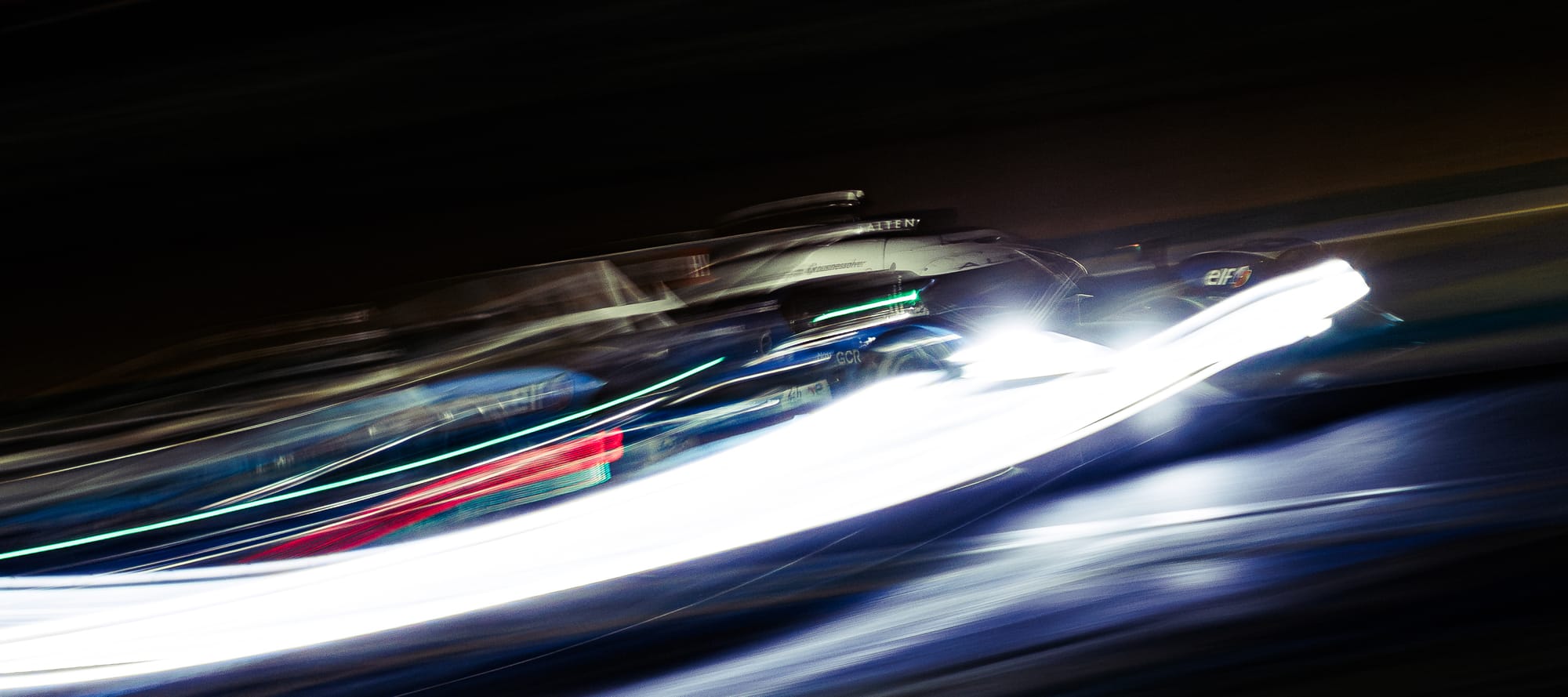
Unlike some of Toyota’s previous Le Mans successes, this was not a race won through overwhelming pace. Instead, it was secured through strategy, consistency and an ability to avoid the setbacks that repeatedly struck its rivals. The race began with BMW in the spotlight after securing pole position with its #15 M Hybrid V8. Cadillac also immediately established itself as a major contender, showing the pace that had made the American manufacturer one of the favourites throughout practice and qualifying week.
Toyota, meanwhile, started on the back foot. Both GR010 Hybrids lined up outside the top 10 following a disappointing Hyperpole performance, but as the race settled into rhythm the Japanese manufacturer quietly began to work its way forward. An aggressive fuel strategy in the opening stages moved both cars onto an alternative sequence compared to many of their rivals. By pitting earlier and taking advantage of clear air, Toyota gradually moved itself into contention while others became trapped in traffic around the sprawling 13.6km circuit.
As darkness descended over La Sarthe, the race developed into a multi-manufacturer battle unlike anything seen during Toyota’s years of relative dominance. Cadillac, BMW, Ferrari and Toyota all spent periods running at the front, while Alpine remained within touching distance for much of the contest. At several points there appeared to be no clear favourite, with the lead changing hands repeatedly as strategy cycles unfolded through the night.
One of the strongest performances of the race came from Cadillac and Hertz Team JOTA. The American marque looked capable of delivering a breakthrough Le Mans victory and at one stage held a one-two position in the Hypercar category. The #38 Cadillac V-Series.R of Sebastien Bourdais, Earl Bamber and Jack Aitken was particularly impressive, leading large portions of the first half of the race and establishing itself as a genuine favourite as dawn approached.
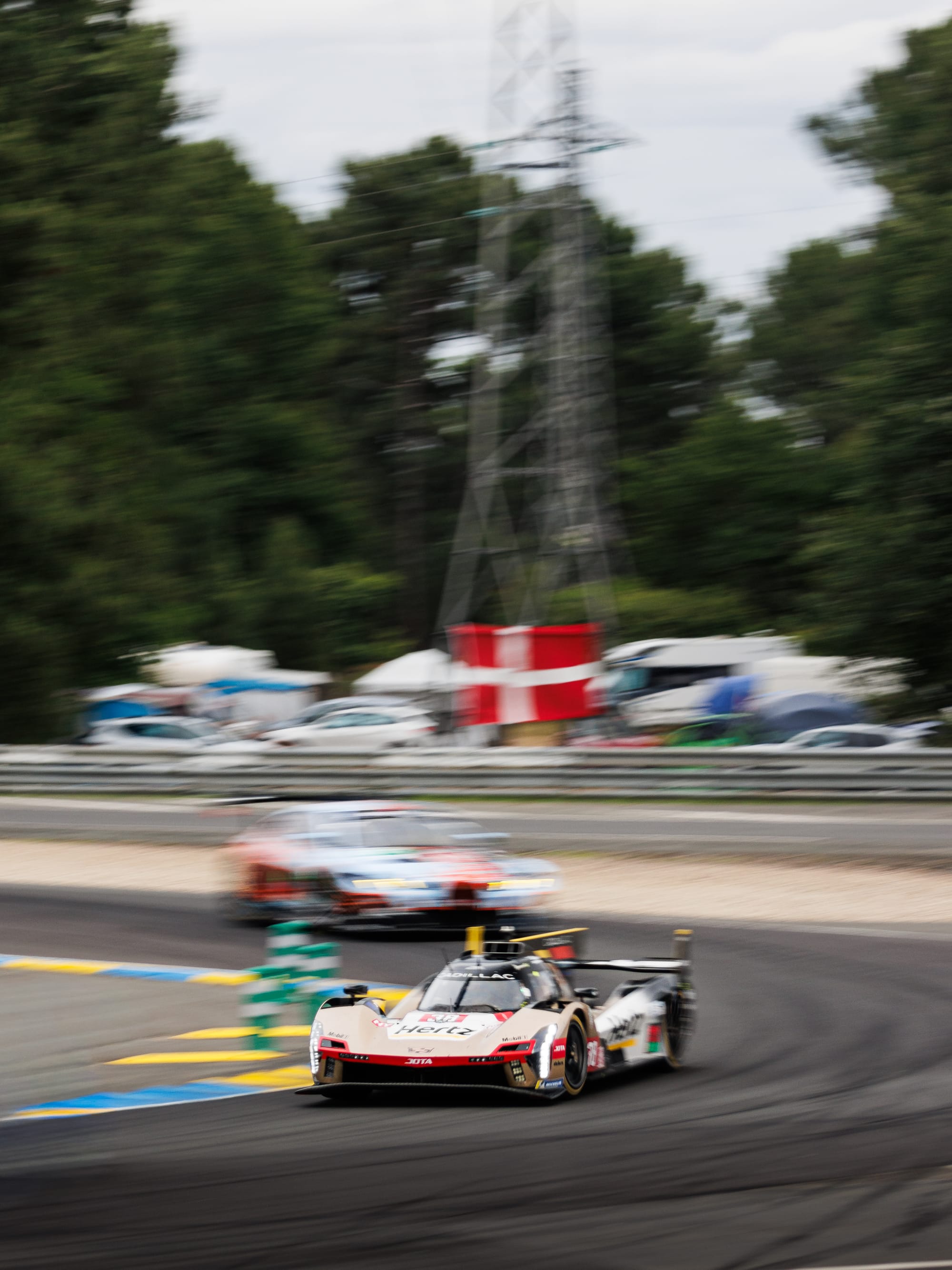
However, Le Mans has a habit of punishing even the smallest weakness. A power steering problem on the #38 Cadillac triggered lengthy repairs and ultimately retirement, ending what had been one of the standout drives of the race. The sister #12 Cadillac remained in contention and eventually finished fourth in the hands of Louis Deletraz, Norman Nato and Will Stevens, but the manufacturer’s hopes of overall victory had slipped away. For Bourdais in particular, it was another heartbreaking chapter in a career-long pursuit of success at his home race.
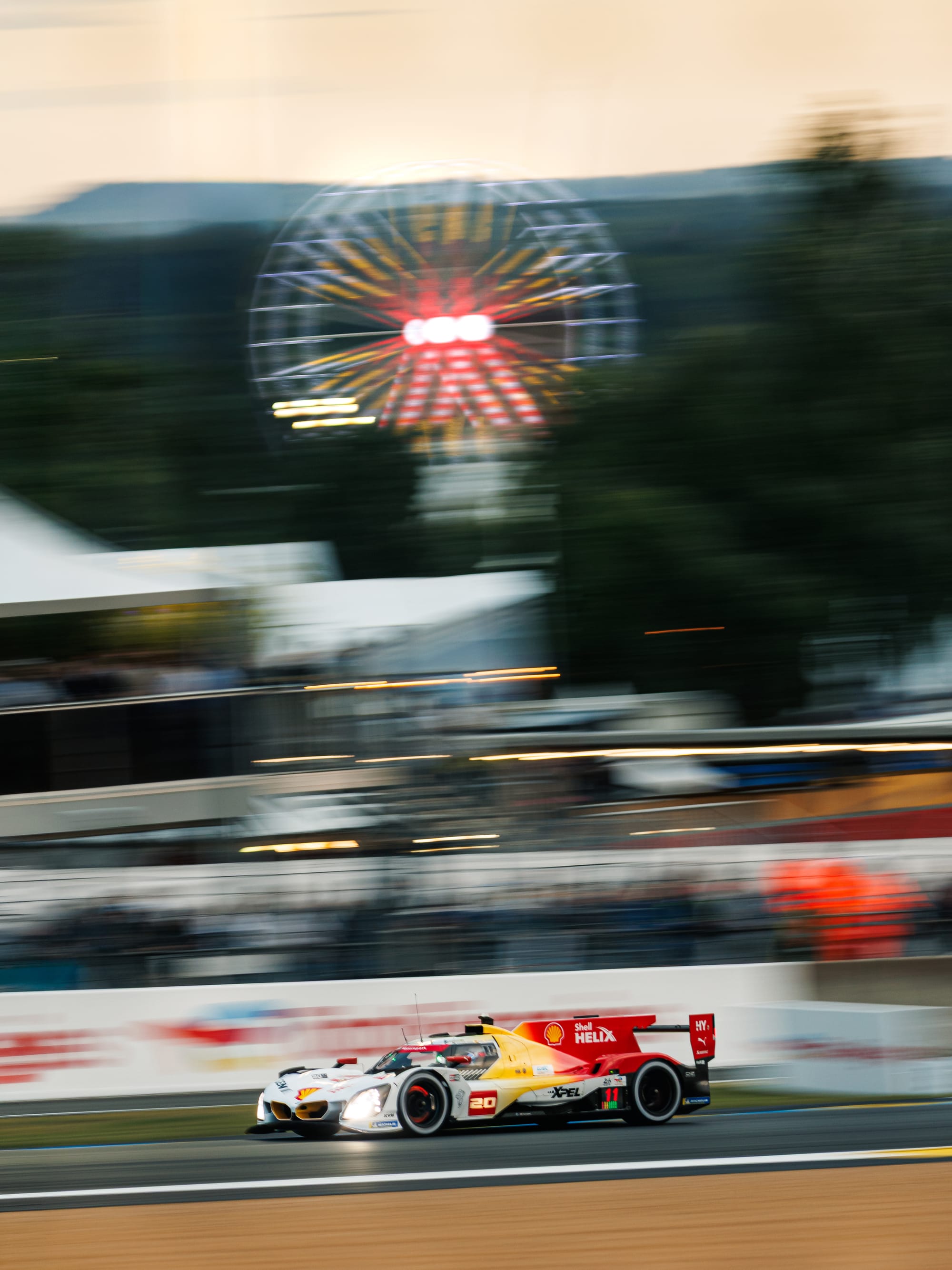
If Cadillac left Le Mans wondering what might have been, BMW departed knowing it had firmly established itself as a genuine contender. The Munich manufacturer produced arguably its strongest Le Mans performance since returning to top-level prototype racing. Although the pole-sitting #15 machine suffered race-ending problems, the #20 car of Robin Frijns, Rene Rast and Sheldon van der Linde delivered a flawless challenge that carried all the way to the chequered flag.
By the final hours, BMW had emerged as Toyota’s primary rival. The margin separating the two cars repeatedly fluctuated as traffic, pit strategy and tyre management became increasingly critical. Every stint mattered. Every slow zone carried significance. Every pit stop had the potential to decide the outcome. Despite relentless pressure from the BMW crew, Toyota maintained its advantage and ultimately reached the finish line with just over 10 seconds in hand after an entire day of racing.
Heading into the race, Ferrari was seeking a remarkable fourth consecutive Le Mans victory. The Italian manufacturer had won every edition of the race since the arrival of the 499P programme in 2023 and once again entered as one of the favourites. Yet despite showing competitive pace throughout the event, Ferrari never managed to fully control the race in the manner it had done during previous victories. The best-placed Ferrari eventually finished fifth overall.
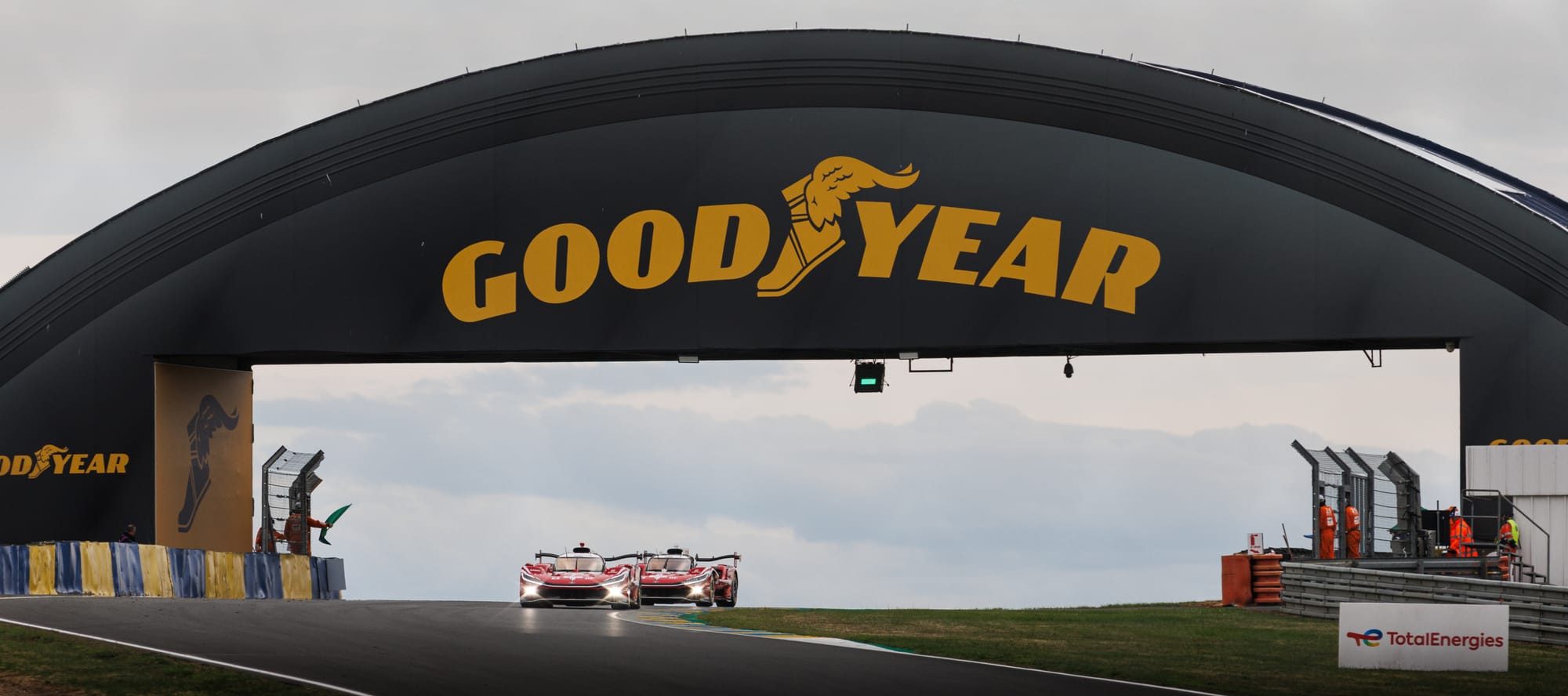
While not the result Ferrari wanted, the marque remained a constant presence near the front and demonstrated once again that the balance of power in Hypercar is now extraordinarily close. The difference between victory and defeat often came down to strategy execution, traffic management and reliability rather than outright speed. Post-race analysis suggested the victorious #7 Toyota was not necessarily the fastest car over a single lap or even across the race distance. Instead, it was the car that made the fewest mistakes and capitalised whenever rivals encountered problems. That, more than anything, is what Le Mans rewards.
The emotional significance of the victory was evident throughout Toyota’s garage after the finish. The #7 crew has experienced its share of disappointment at Le Mans over recent years despite regularly being among the strongest combinations in the field. For Conway and Kobayashi, the win provided redemption after several near-misses and frustrating defeats. It also reinforced Toyota’s status as one of endurance racing’s great modern dynasties.
While some critics have argued that several of Toyota’s previous Le Mans victories came during periods of reduced top-class competition, this triumph arrived against one of the deepest and strongest manufacturer line-ups ever assembled. Ferrari, BMW, Cadillac, Alpine, Peugeot and Aston Martin were all represented in Hypercar, creating a level of competition unseen in decades. Toyota emerged on top regardless.
Away from the headline battle for overall victory, Inter Europol Competition delivered a commanding display in LMP2. The Polish squad secured a remarkable one-two finish in class, with the #43 Oreca-Gibson of Jakub Smiechowski, Tom Dillmann and Nicholas Yelloly leading home the sister #34 machine. The victory marked another major Le Mans success for the team and further cemented its reputation as one of the benchmark operations in prototype racing.
LMGT3 honours went to TF Sport and Corvette. Ben Keating, Jonny Edgar and Nicky Catsburg guided the Corvette to class victory after a disciplined race that gradually moved them towards the front of the field. The result added another Le Mans success to Corvette’s illustrious history at the event and represented one of the most satisfying achievements of Keating’s endurance racing career.
The 2026 edition may ultimately be remembered as the race that confirmed endurance racing’s current golden age. More than 350,000 spectators packed the circuit across race week. Multiple manufacturers remained in realistic contention for victory deep into Sunday afternoon. The winning margin was little more than 10 seconds after 24 gruelling hours of racing, while the battle at the front featured an ever-changing cast of contenders from across the world’s leading manufacturers.
For Toyota, the race ended with a sixth Le Mans crown and a long-awaited return to the top step of the podium. For the sport itself, it was further proof that the Hypercar era has transformed the world’s greatest endurance race into one of motorsport’s most compelling spectacles. After three years of Ferrari dominance, Le Mans had a new winner. And after 24 gruelling hours at La Sarthe, Toyota once again stood above them all.