Historic motorsport returned to the spotlight at Sliverstone as the inaugural BRDC Classic delivered a fitting celebration of Britain's rich racing heritage, blending world class machinery, competitive racing and an enthusiast focused atmosphere in a weekend that successfully established a new identity for on the the country's most significant classic motorsport gatherings.
Held over three days on the Grand Prix circuit layout, the BRDC Classic marked the beginning of a new chapter for Silverstone's historic racing calendar. With the British Racing Drivers Club lending both its name and heritage to the event, the meeting was designed to place the emphasis back on the cars, the racing an the people who have shaped British motorsport for almost 80 years.
The result was an event that felt refreshingly authentic. Rather than relying on headline concerts or festival attraction, the BRDC Classic centred on what has always drawn enthusiasts to Silverstone, the opportunity to watch iconic racing cars being driven around one of the worlds greatest circuits, while enjoying unrivalled access to the paddock and competitors.
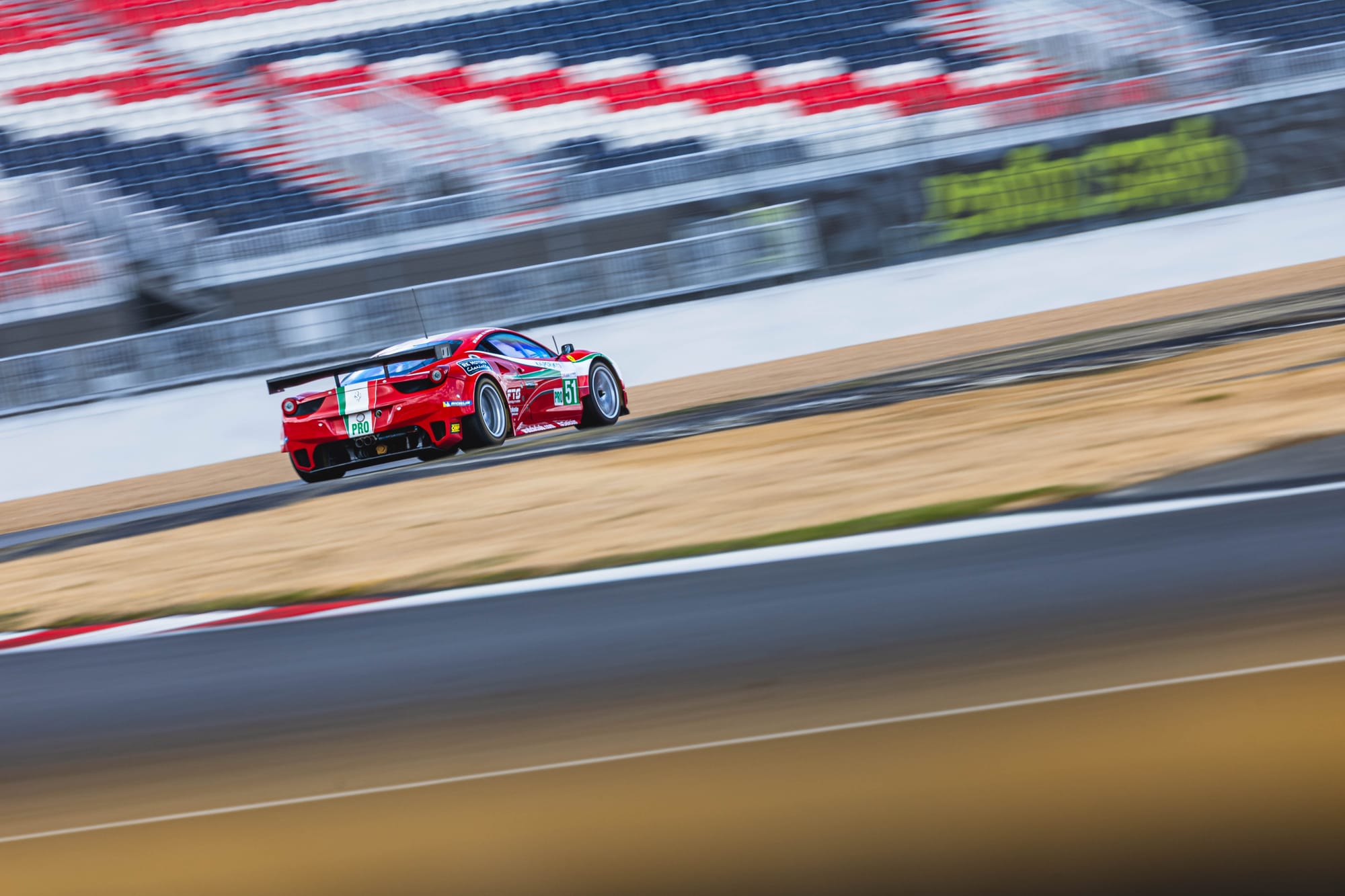
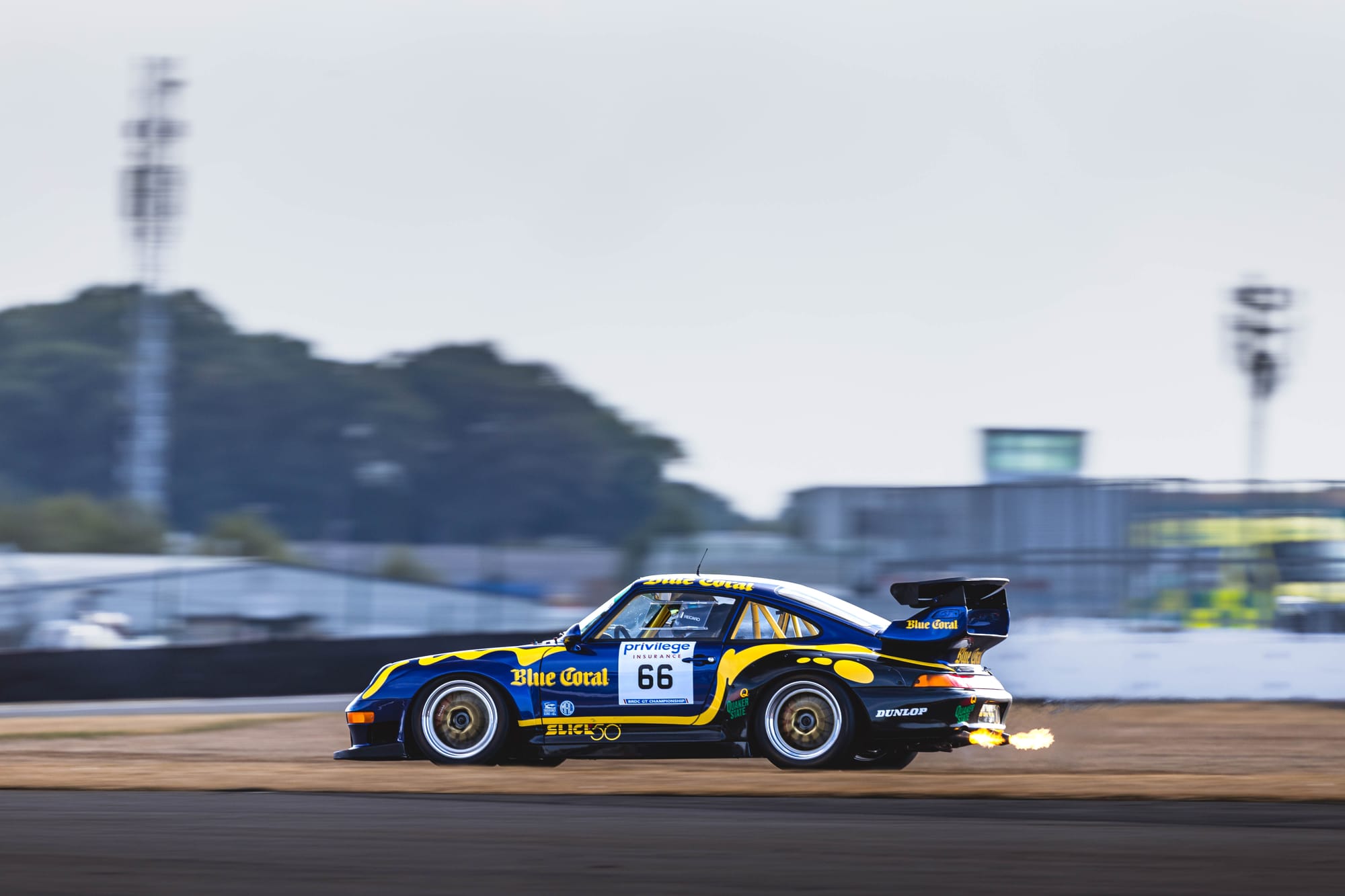
More than 300 entries were scheduled across 21 races during the weekend, creating one of the most comprehensive displays of historic competition seen anywhere in Europe. Cars spanning almost a century of motorsport, from pre war sports racers through to early 21st century GT and endurance machinery, share the same stretch of tarmac that has hosted countless British Grand Prix since 1950.
One of the biggest talking points was the introduction of two entirely new race categories.
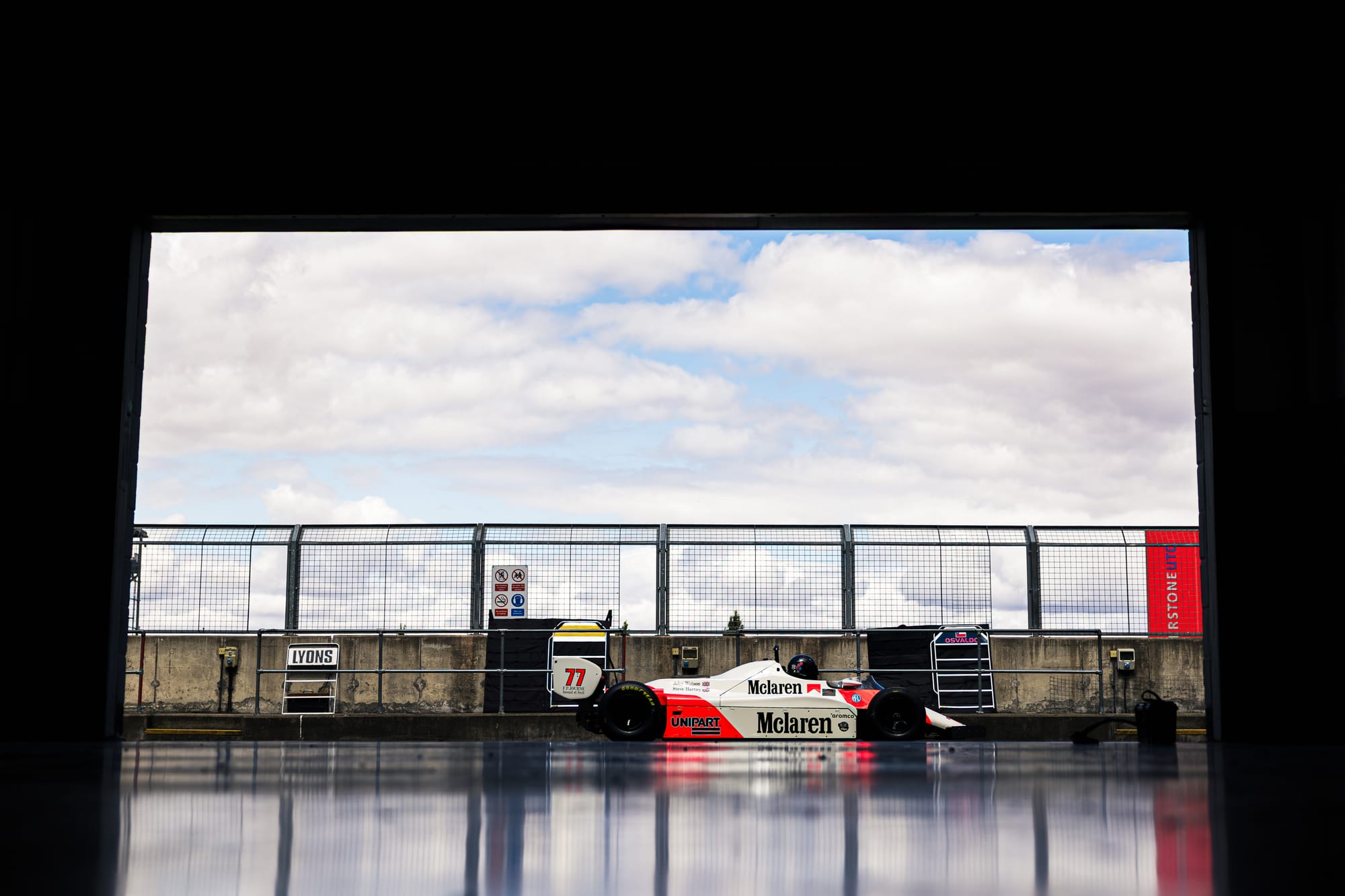
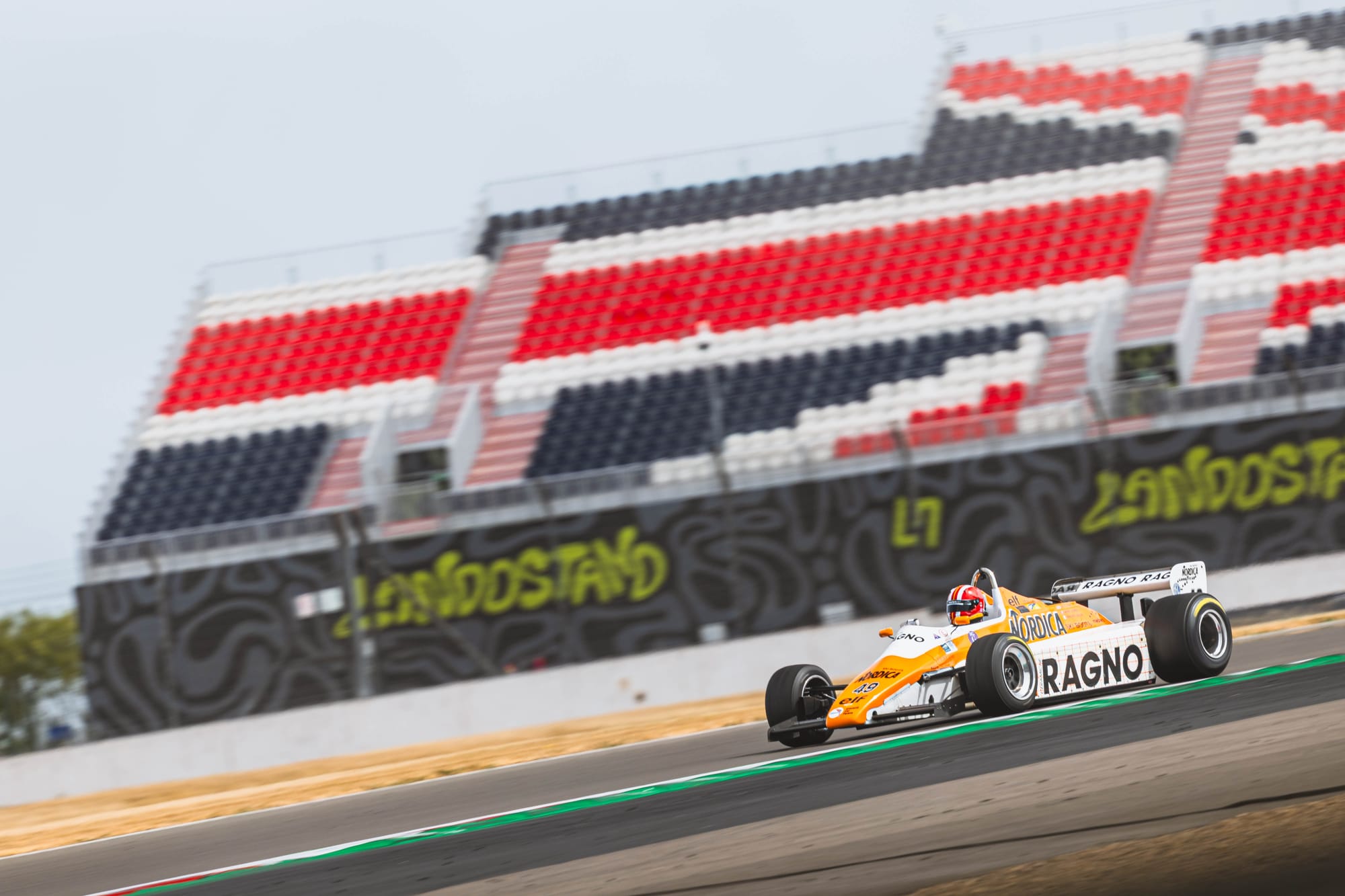
GP icons brought together Formula 1 cars from the 1960s through to the 1980s, allowing spectators to experience the evolution of Grand Prix engineering in its natural environment. From lightweight Cosworth DFV powering machines to the increasingly sophisticated designs that closed out the decade, the grid demonstrated just how dramatically Formula 1 developed across those formative years. Meanwhile, Endurance Icons made its competitive debut with a field celebrating prototype sports cars from endurance racing's modern era, bringing Le Mans inspired machinery back to Silverstone in full competition rather than static demonstrations.
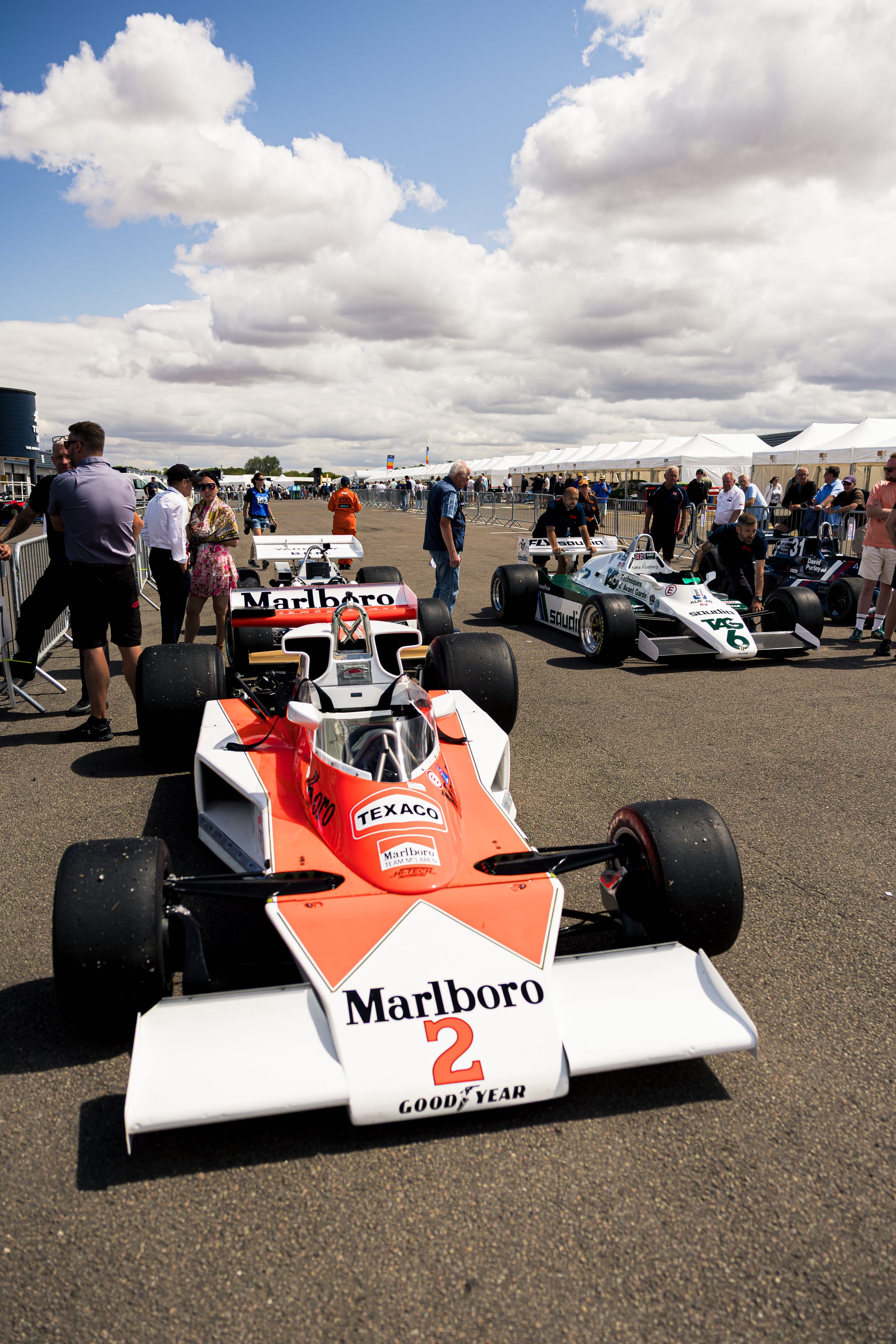
Images by Elliot Robers
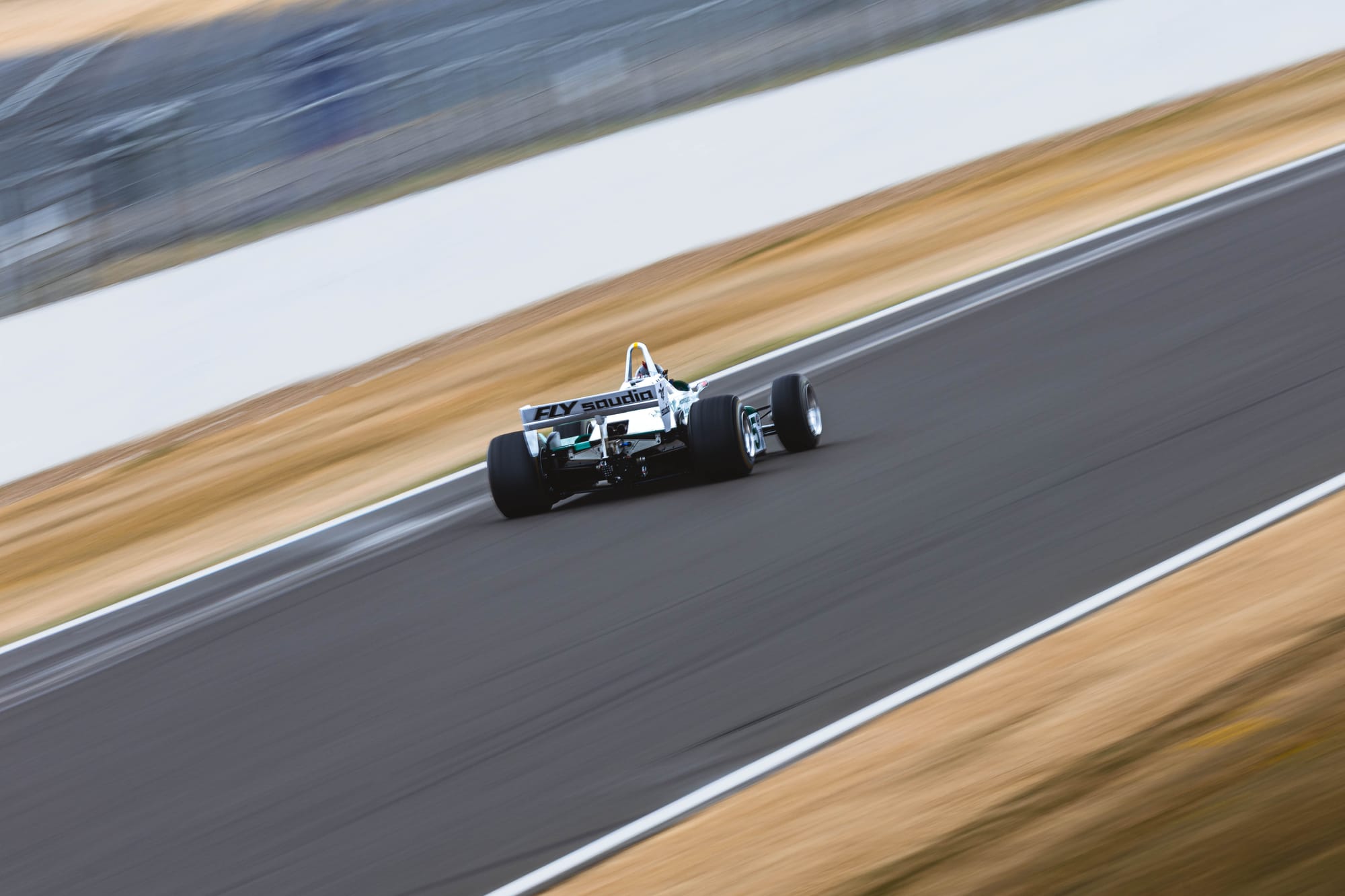
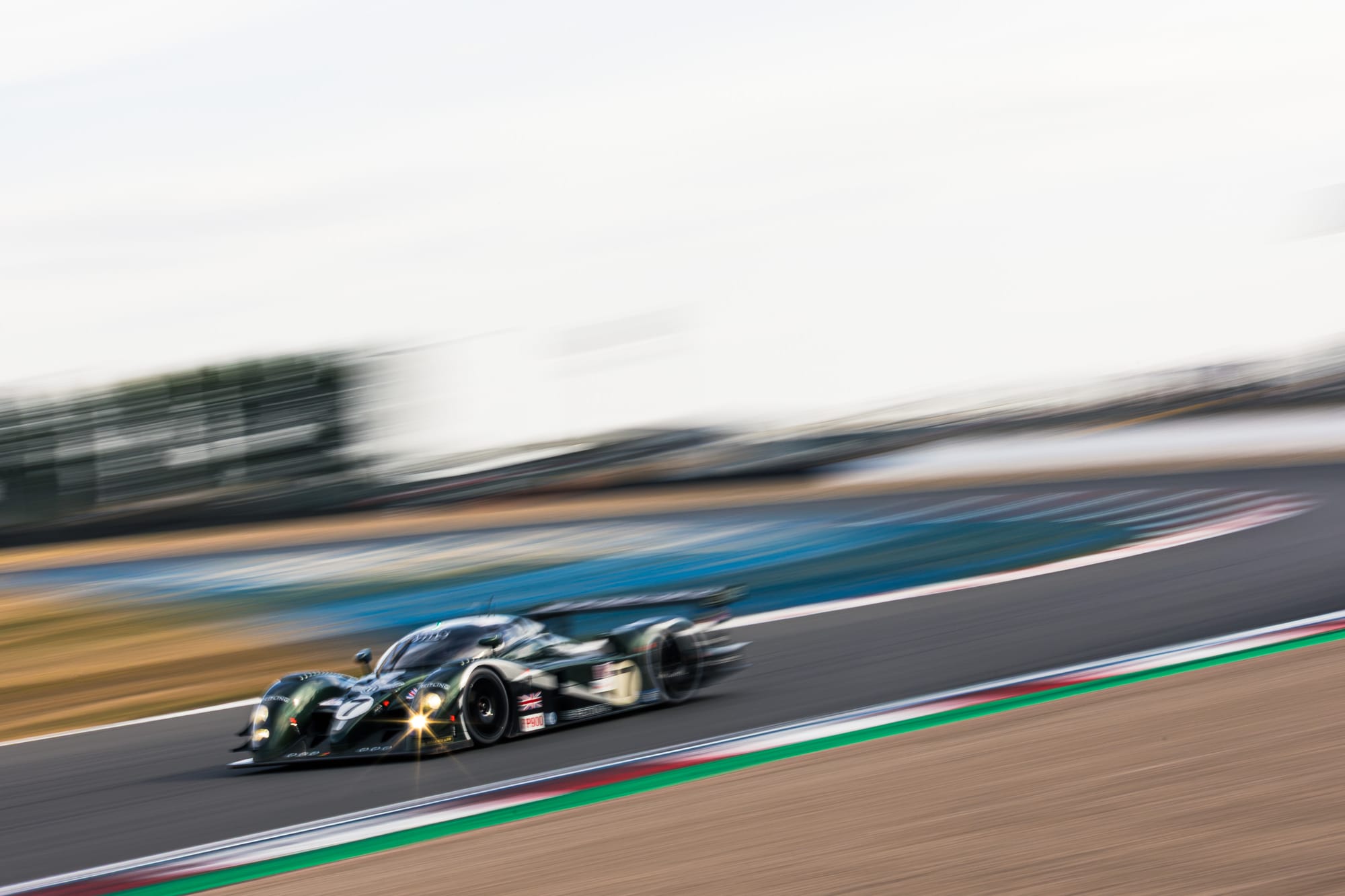
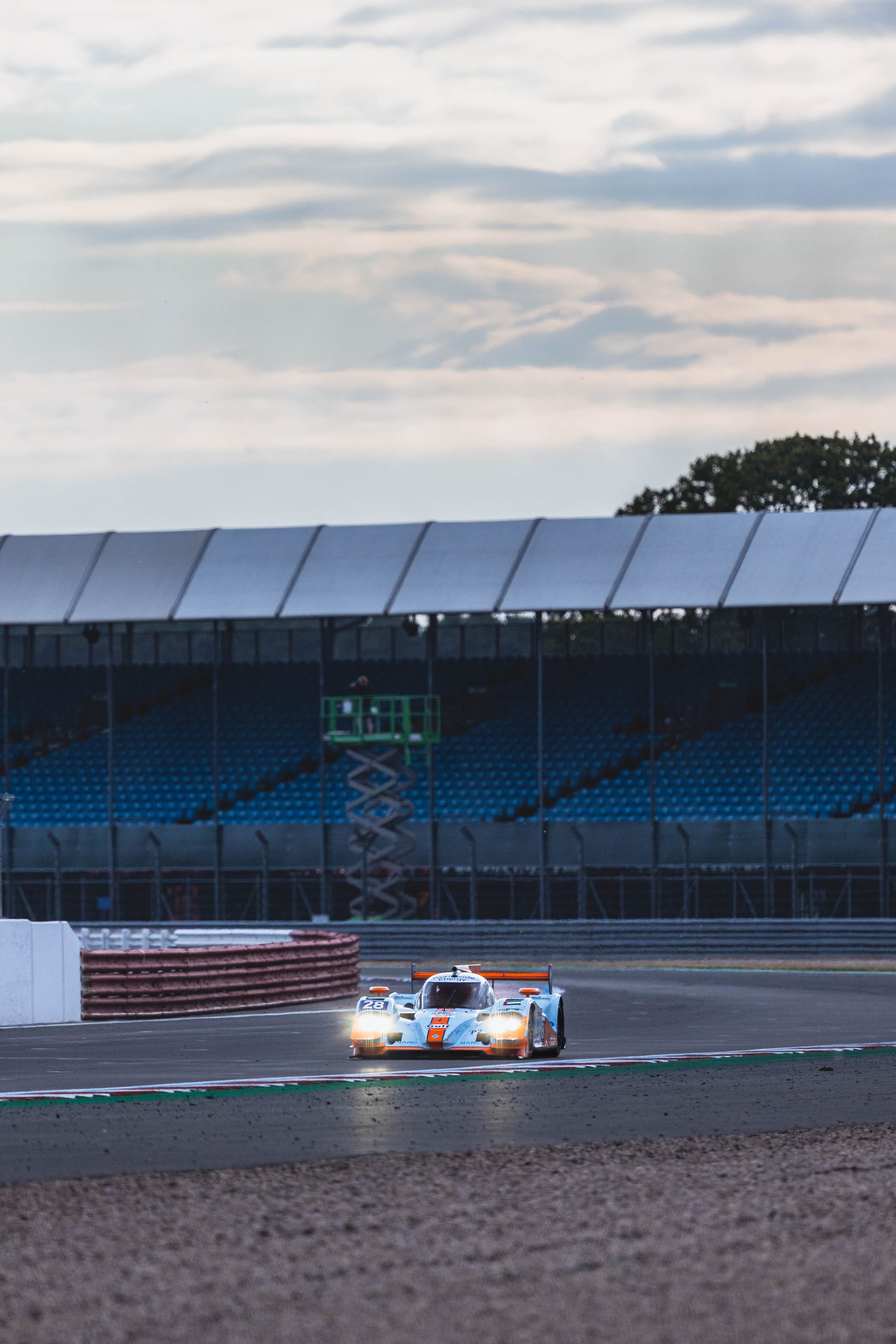
Images by Elliot Roberts (Left) & Joe Lansdown (Right)
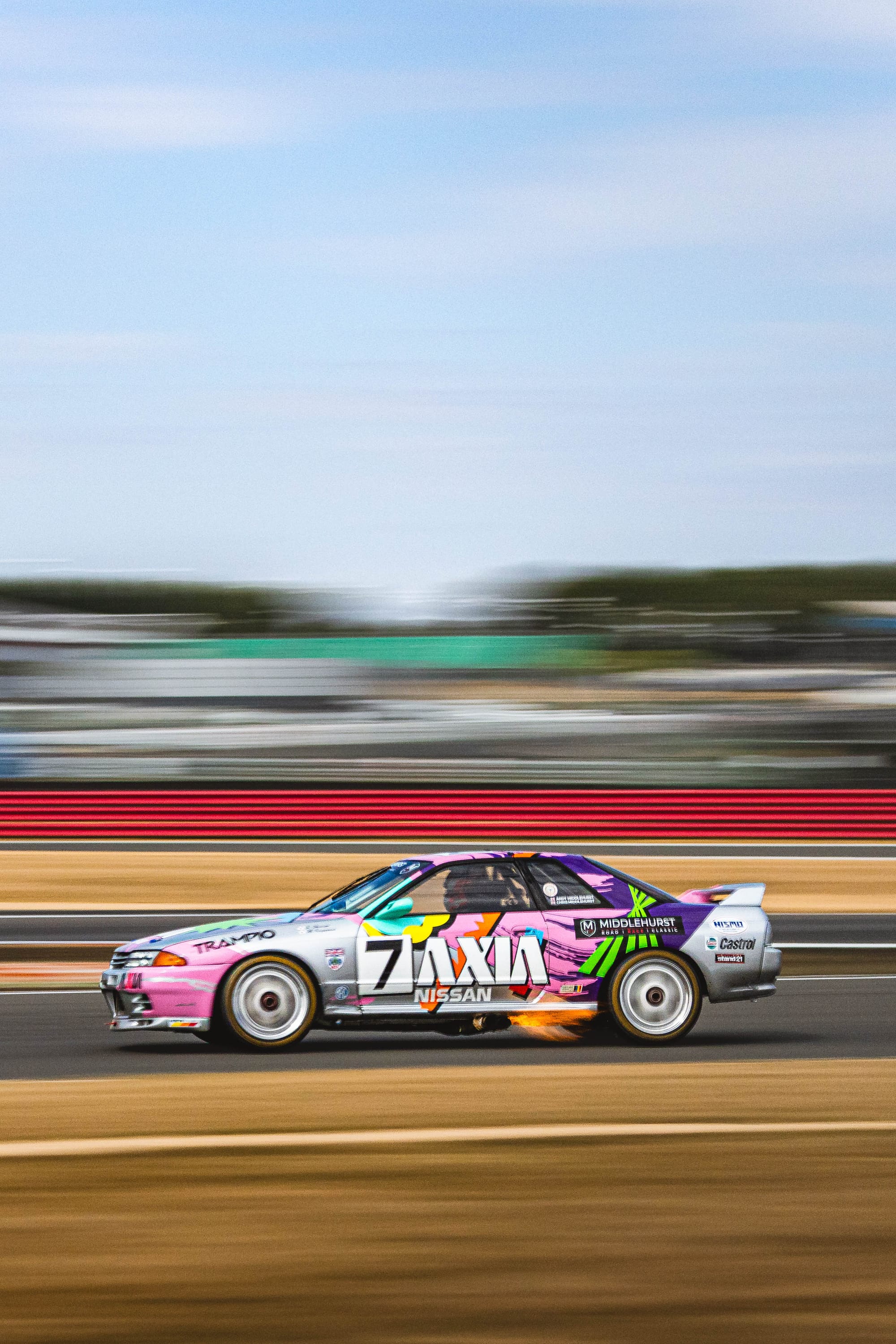
These additions complemented an already impressive programme organised primarily by Motor Racing Legends, whose championships formed the backbone of the meeting. Established favourites including GT3 Legends, the Royal Automobile Club Woodcote Trophy and Stirling Moss Trophy, Historic Touring Car Challenge, Pre 66 GT Spring, 2 Litre Sportscars and Pre War Sports Cars ensured there was scarcely a quiet moment throughout the three day timetable. Historic Formula Junior, the HSCC Derek Bell Trophy and Roadsports categories further broadened the programme, illustrating the remarkable diversity of historic motorsport in Britain.
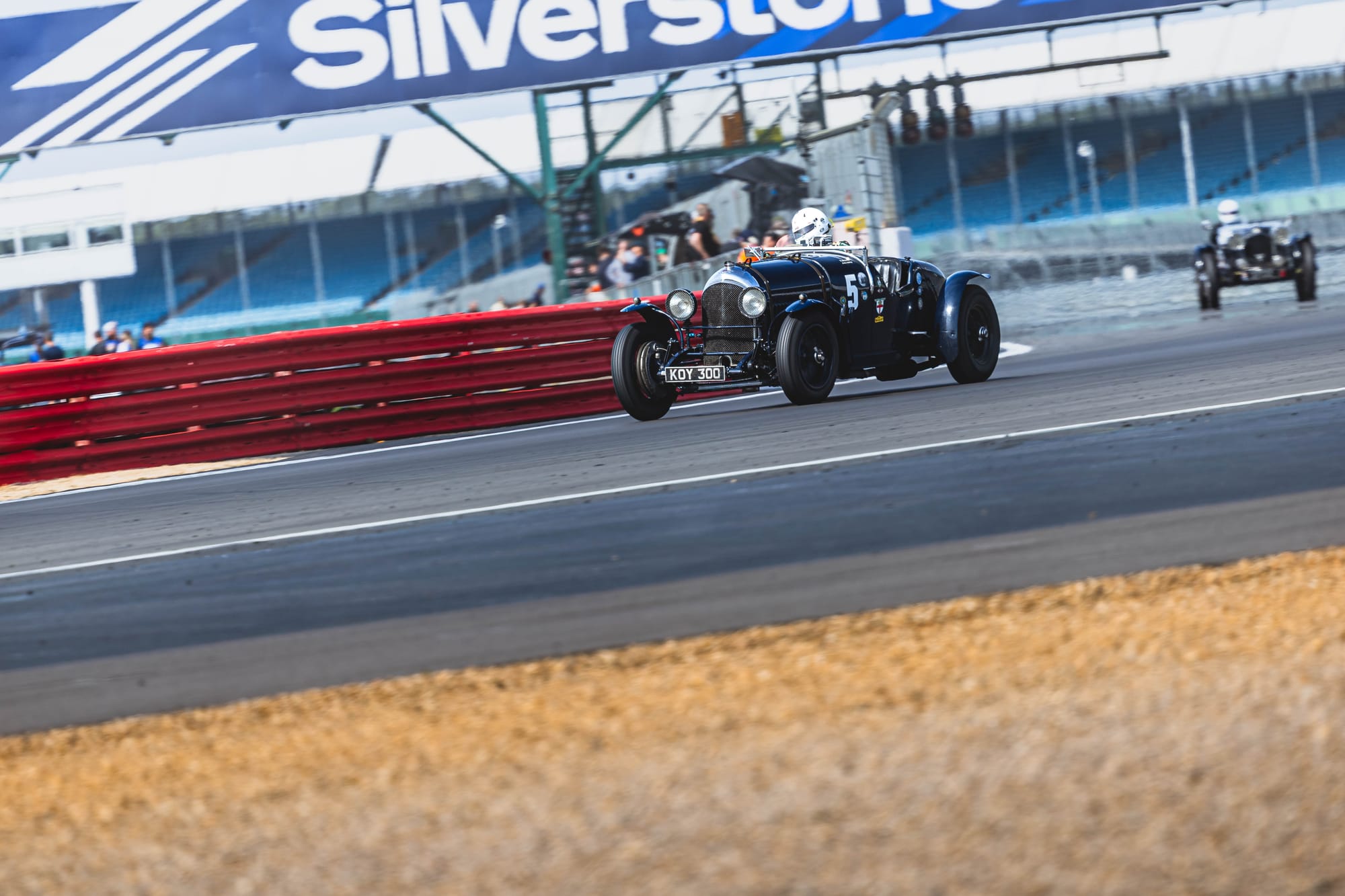
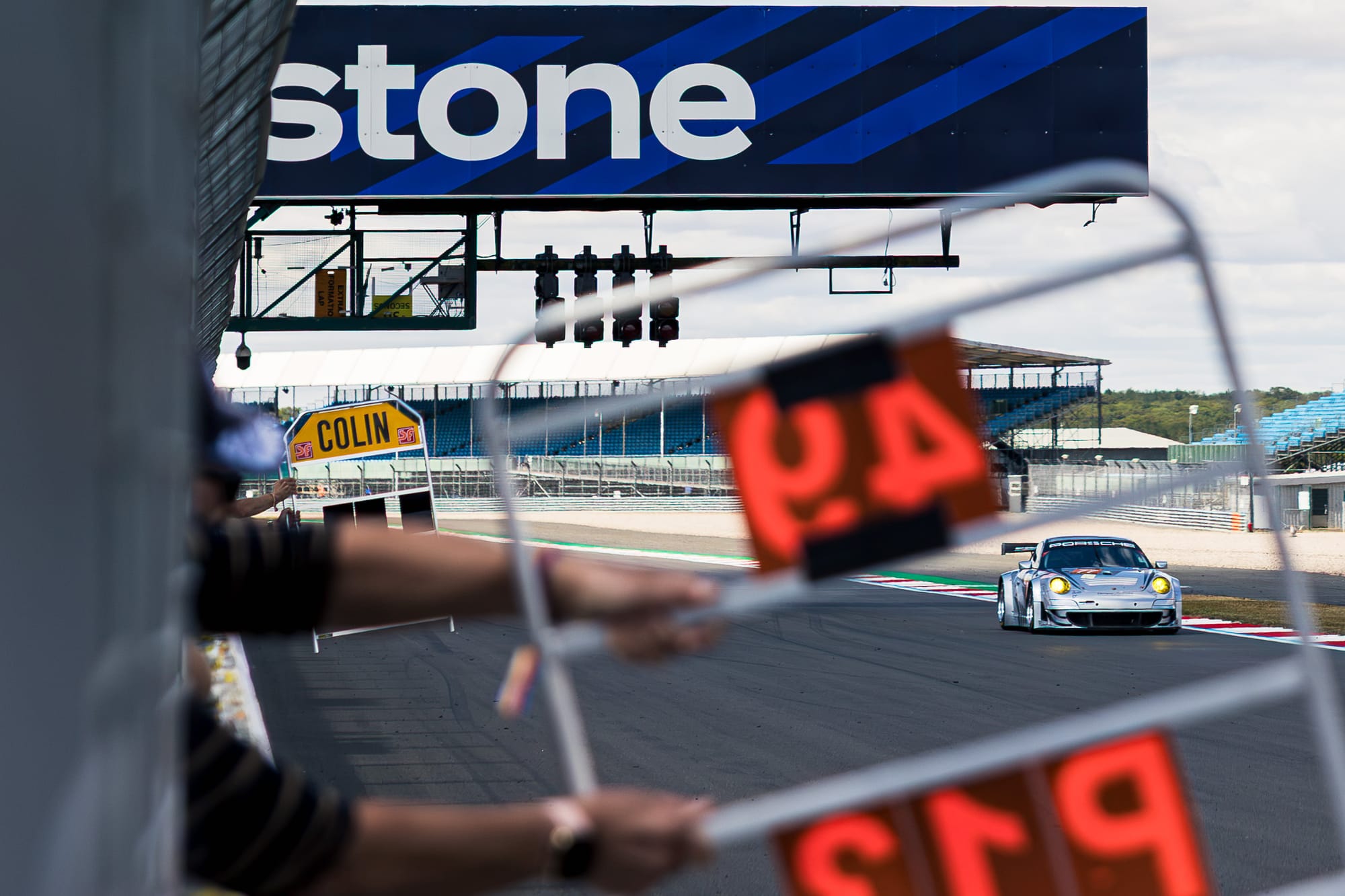
What separated the BRDC Classic from many other historic meetings was the sheer breadth of machinery on display. Visitors could watch a pre war Bentley tacking Maggotts in one session before seeing a GT3 car or a Le Mans prototype attack the same sequence of corners only minutes later. Few venues end even fewer events can offer such a vivid demonstration of how racing car design has evolved across successive generations.
The atmosphere throughout the paddock reflected the events philosophy.
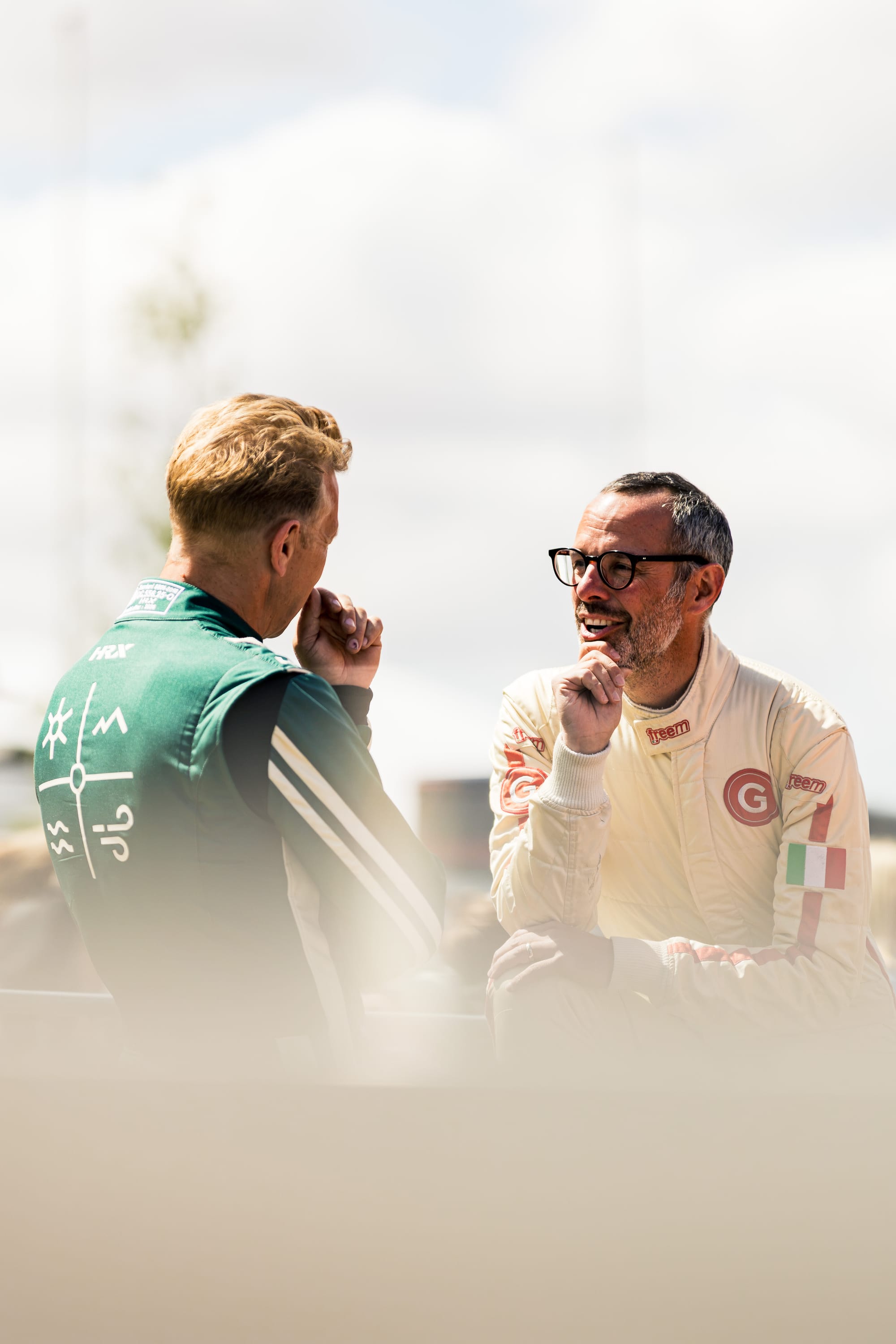
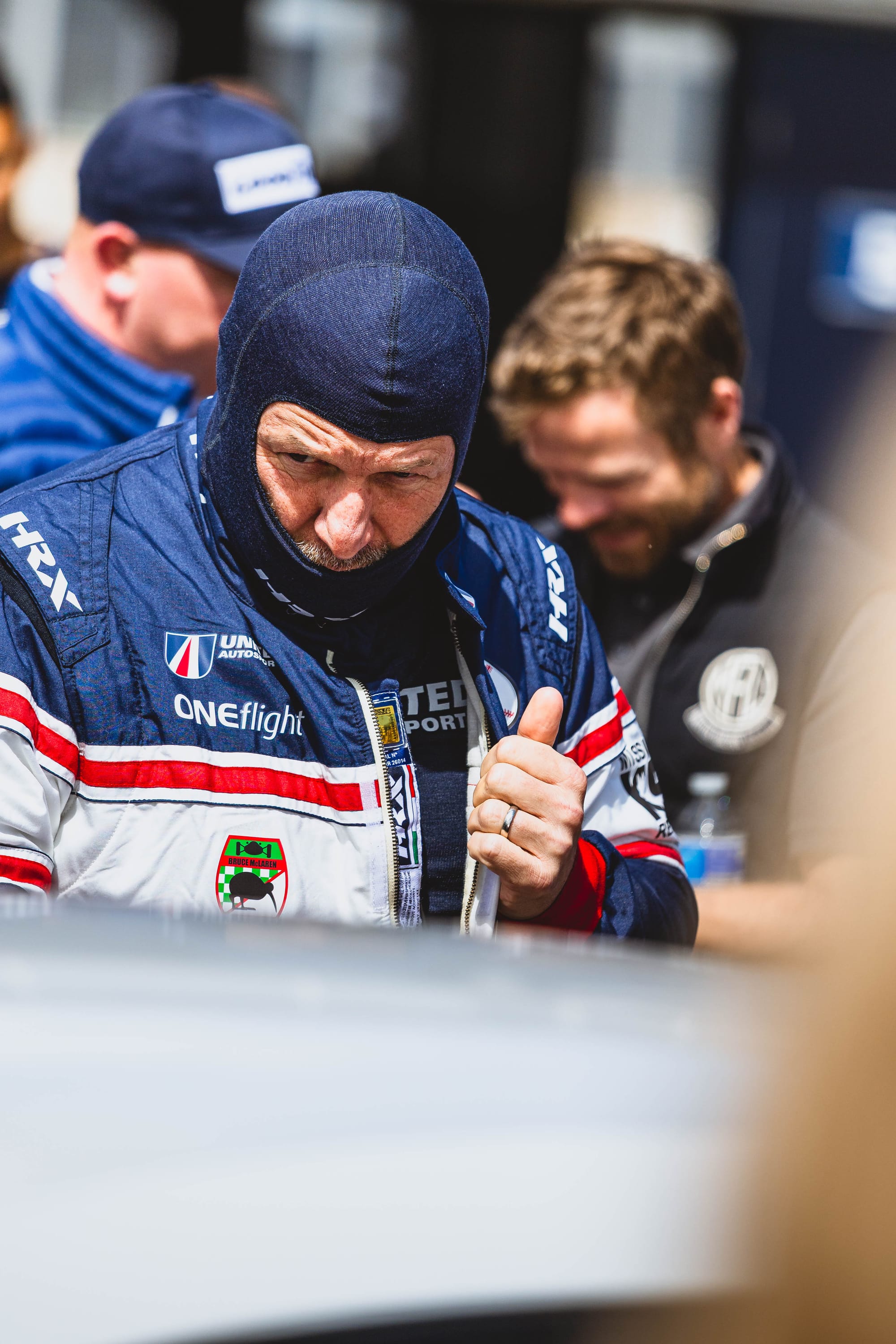
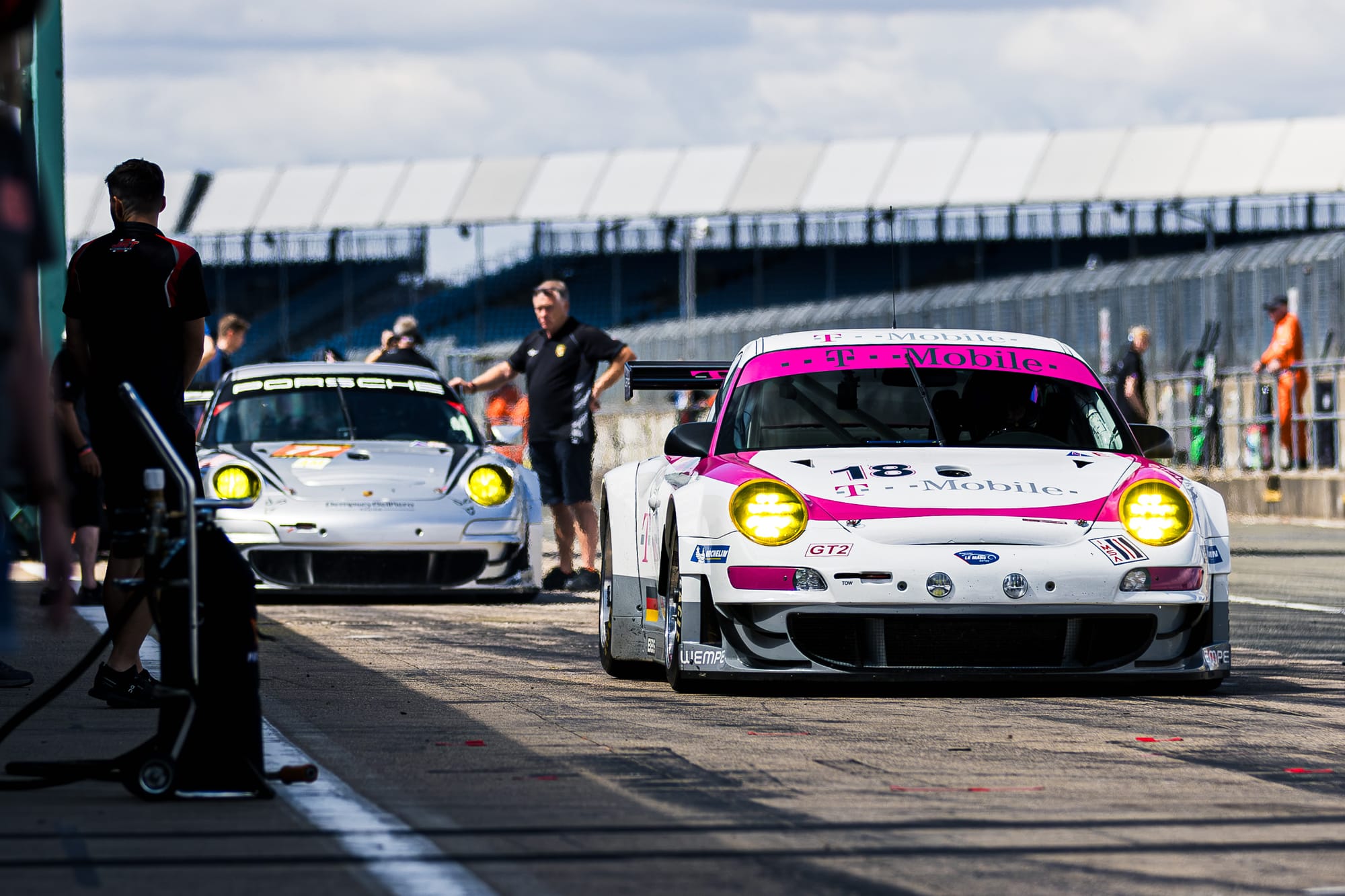
Open paddock access remained one of the weekends defining features, allowing spectators to move freely among the competing cars, observe mechanics preparing priceless machinery between sessions and chat with drivers, engineers and owners. In an era where access to modern professional motorsport has become increasingly restricted, the BRDC Classic offered something that many fans regard as equally valuable as the racing itself, proximity to the sport.
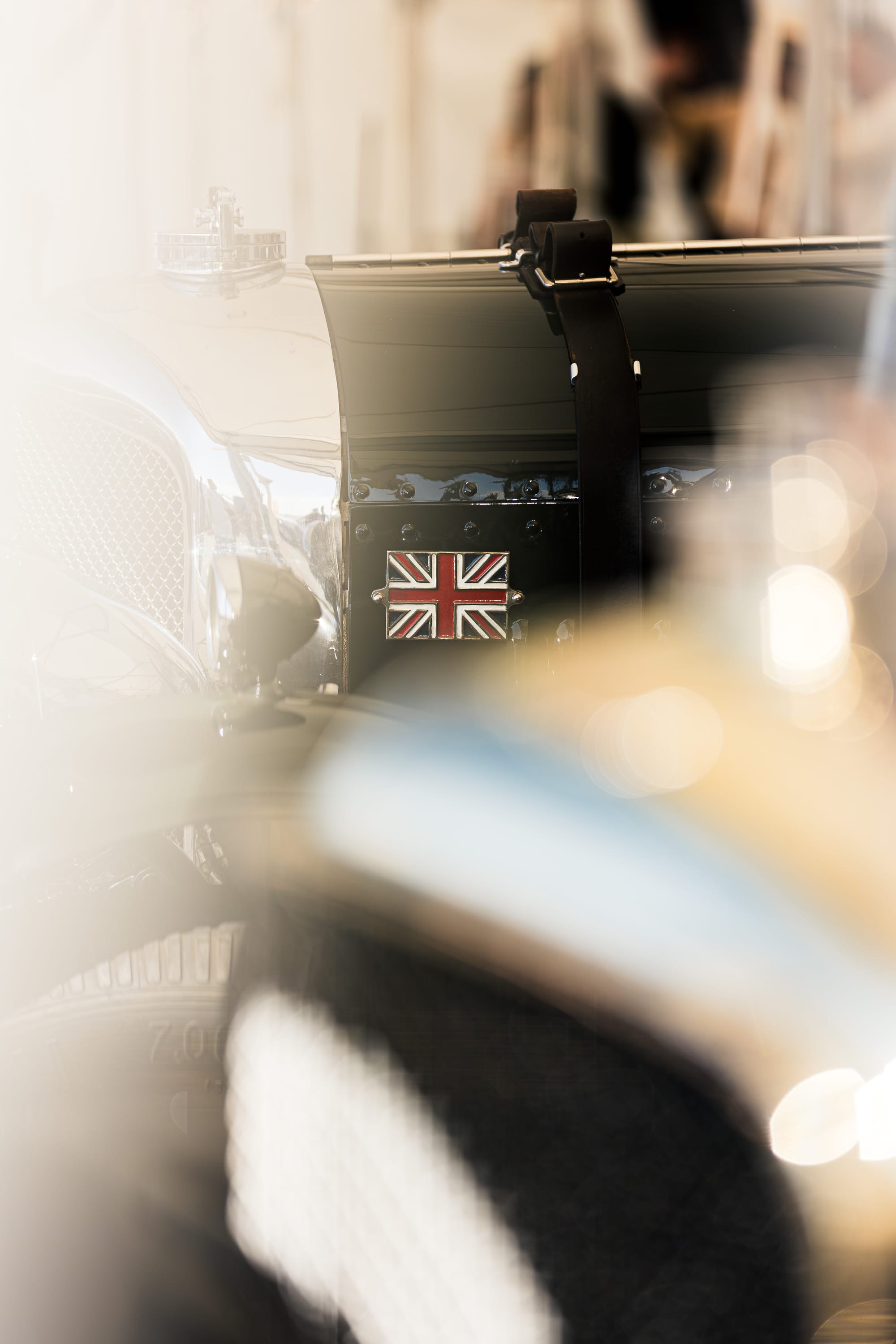
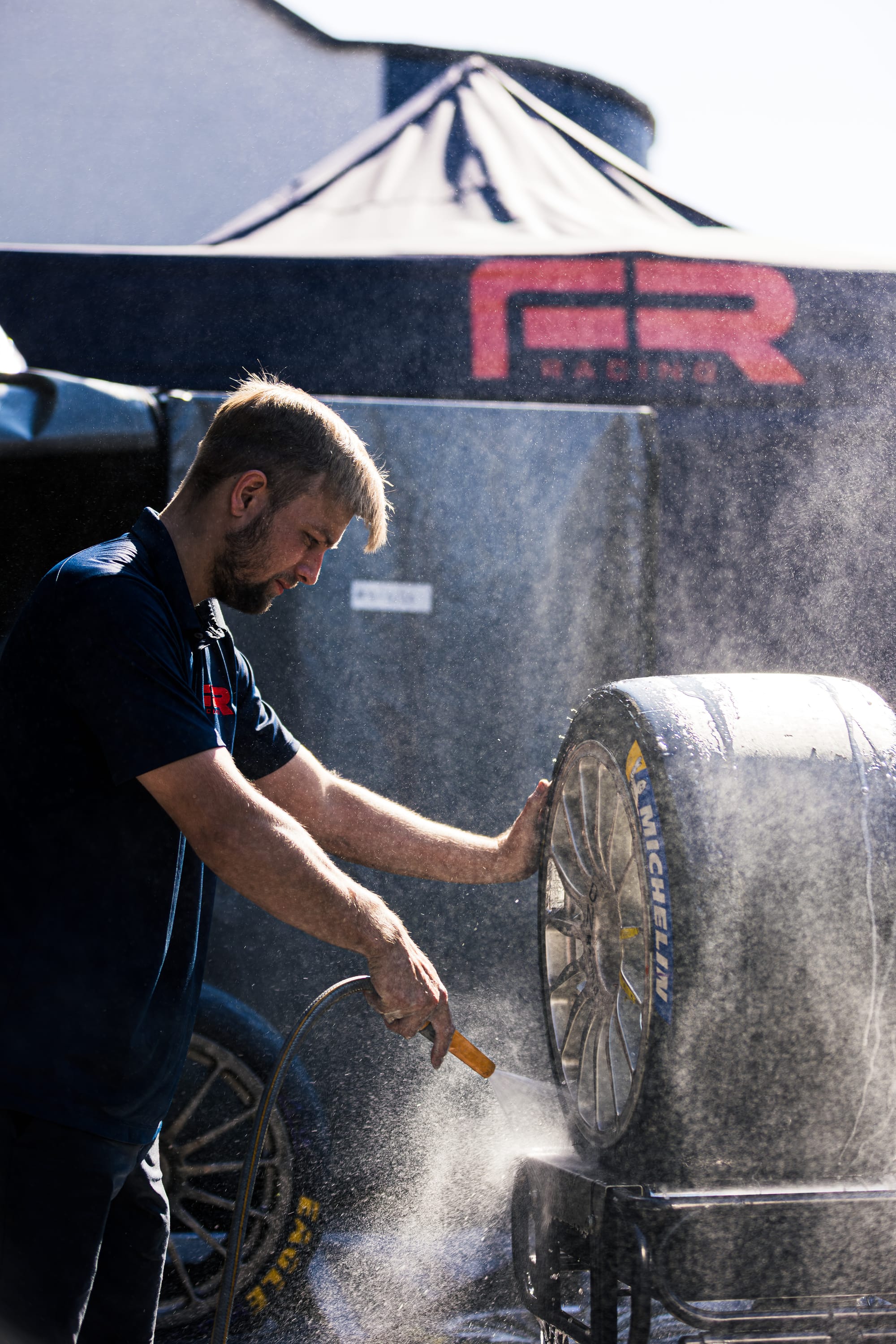
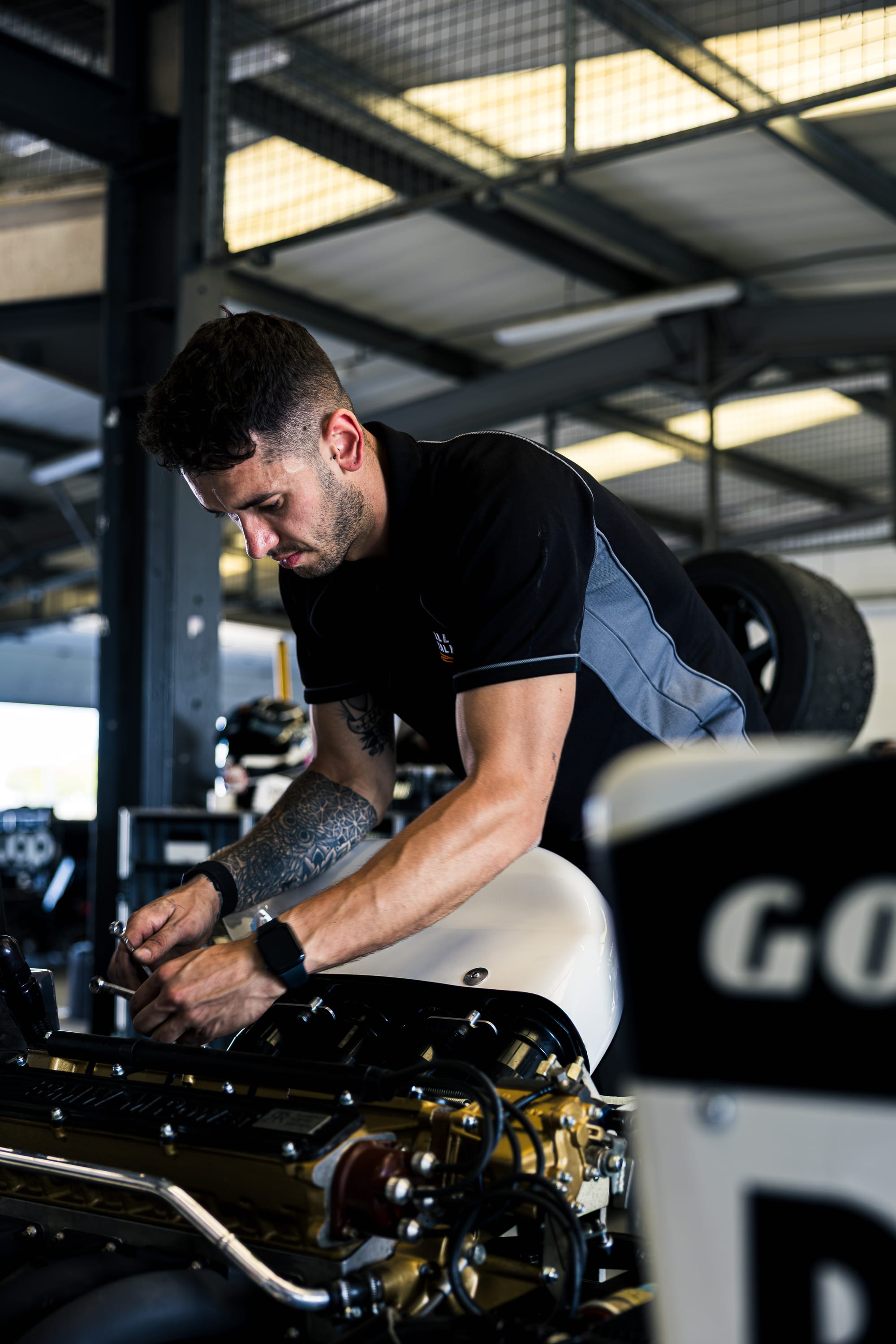
Image by Elliot Roberts
For photographers, the unrestricted access created countless opportunities. Mechanics could be seen making final adjustments before cars heading towards assembly, while drivers shared stories with spectators only metres away from machines whose histories stretched back decades. The visual contrast between polished pre war racers, colourful touring cars, sleek GT3 machinery and iconic Formula 1 cars provided an ever changing canvas throughout the weekend.
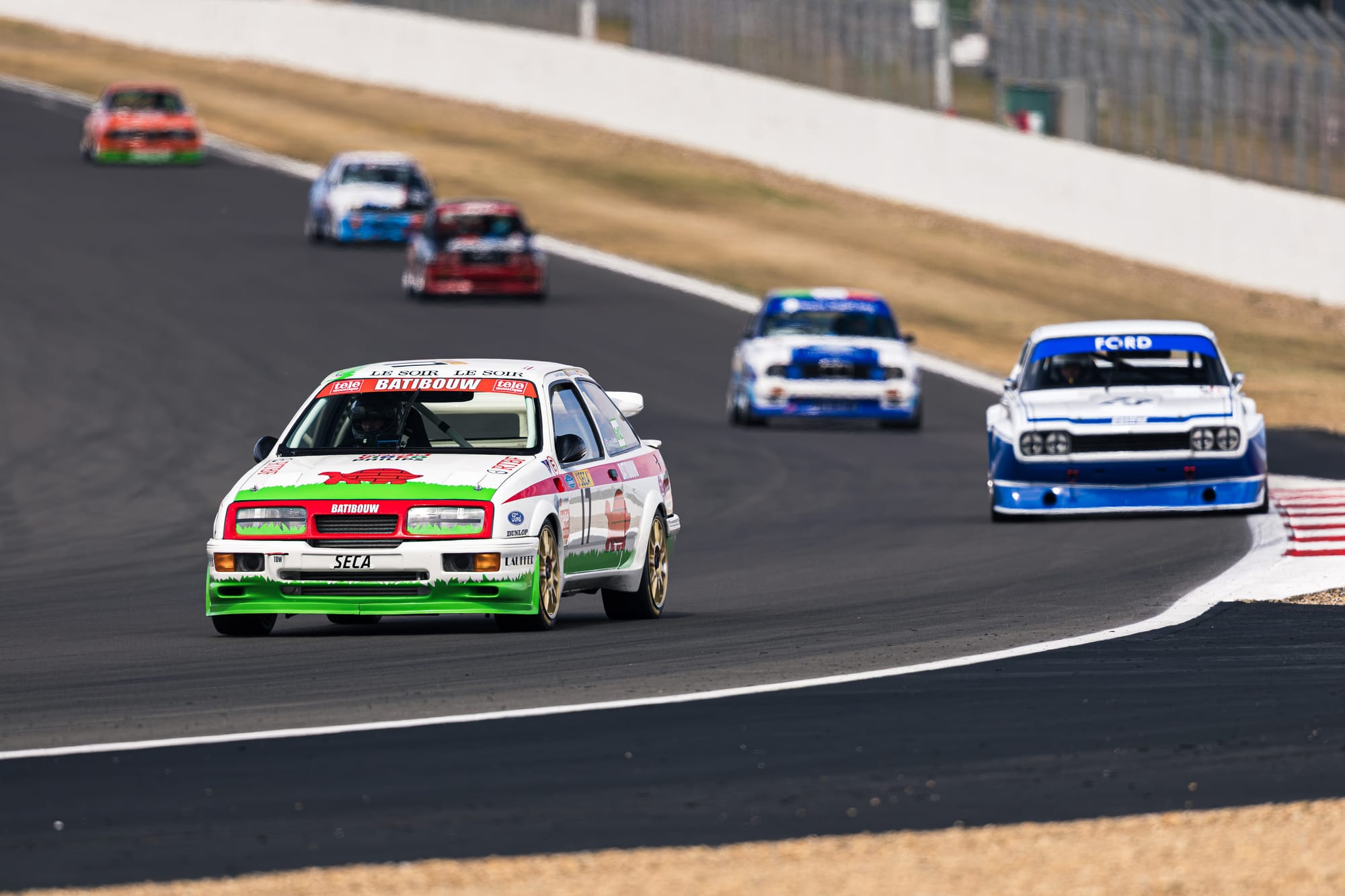
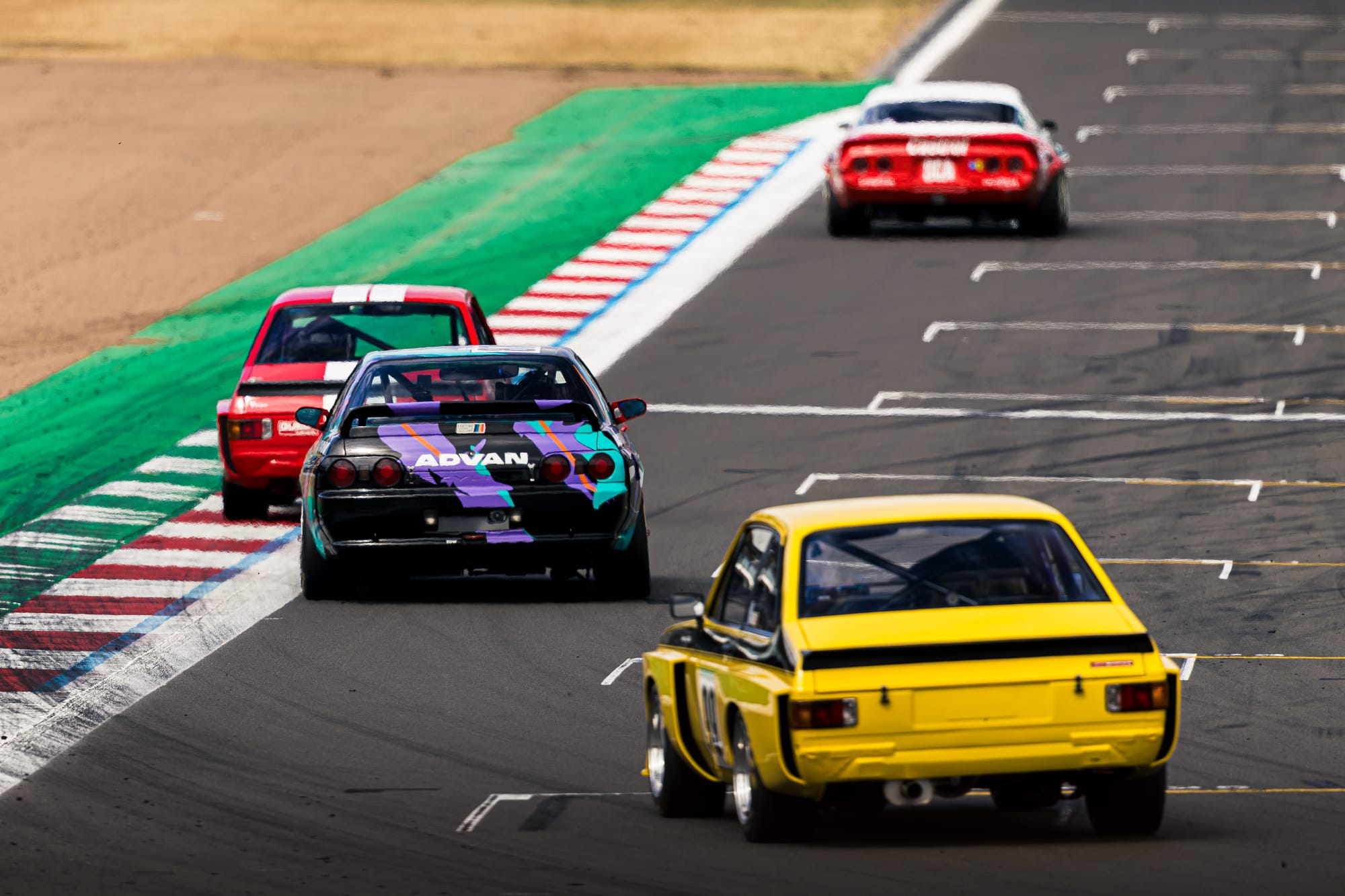
Image by Elliot Roberts
The meeting also celebrated the wider classic motoring community. Numerous car clubs displayed vehicles throughout the venue, anniversary parades took to the circuit between race sessions, while the trade village showcased restoration specialists, engineering firms and motorsport suppliers. For many visitors, the event represented as much a social gathering as a race meeting, bringing together owners, competitors and enthusiasts united by a shared appreciation of motorsport history.
Adding another dimension to the weekend was the presence of Iconic Auctioneers, whose collector car sale in the Internal Paddock featured more than 10 road and competition cars. The auction attracted considerable interest., with notable sales highlighting the continuing strength of the classic car market despite a more selective buying environment.
Silverstone itself proved the ideal setting.
Few circuits possess such a profound connection with British motorsport. The venue hosted the first Formula 1 World Championship race in 1950 and remains the home of the British Racing Drivers' Club, whose stewardship has played an integral role in the circuit's development over the decades. By placing the BRDC at the heart of the event, organisers created a meeting with an authenticity that naturally resonated with competitors and spectators alike.
Perhaps the most impressive aspect of the inaugural BRDC Classic was its confidence. Rather than attempting to replicate the format of previous historic festivals, the organisers stripped the concept back to its essentials. The emphasis was on meaningful track action, varied grids and unrestricted access, allowing the racing to take centre stage.
That approach appeared to strike a chord with enthusiasts. Contemporary coverage praised the quality of the racing and the breadth of machinery on display, with around 250 competition cars ranging from the 1920s to the mid 2010s taking part over the course of the weekend.
As a first edition, the BRDC Classic achieved exactly what it set out to do. It honoured the history of Silverstone and the British Racing Drivers' Club without becoming trapped by nostalgia, instead presenting historic motorsport as a vibrant, competitive and evolving discipline. The event demonstrated that there remains a strong appetite for seeing legendary racing cars used exactly as they were intended, not behind ropes in a museum, but racing wheel to wheel on one of the world's most famous circuits.
The BRDC Classic arrives at a time when historic motorsport continues to enjoy growing popularity, fuelled by enthusiasts who value engineering, craftsmanship and competition in equal measure. By bringing together exceptional machinery, open access and a programme spanning almost every era of racing history, Silverstone has laid solid foundations for what could become one of the defining fixtures on Britain's historic motorsport calendar.
If this inaugural edition is any indication, the BRDC Classic has already found its place. It is not simply a celebration of motorsport's past, but a reminder that its greatest stories continue to be written every time these extraordinary machines return to the track.