CarFest’s first visit to Silverstone was always going to represent something of a gamble. After more than a decade at Laverstoke Park Farm, the festival had built a familiar identity around its Hampshire home, combining cars, music, celebrities and charity fundraising. Moving to the home of the British Grand Prix, however, offered the opportunity to put the automotive side of the event firmly into the spotlight.
For anyone arriving primarily for the cars, CarFest 2026 delivered on that promise.
Among the most significant appearances was the BRM P351, a car that has become something of a forgotten chapter in British sports car racing history. The Group C prototype competed in the early 1990s, but its racing career was short-lived and troubled by the financial and reliability problems that affected the ambitious BRM project.
Its appearance at Silverstone was therefore a particularly special one. The P351 had not been seen publicly for many years and represented one of the rare opportunities to get close to the machine since its original racing days. For photographers, it was an even bigger prize, with the car’s return to a major public event making it one of the weekend’s standout attractions.
The P351 wasn’t the only piece of significant racing history on display. Demon Tweeks brought along its famous BMW E30 M3, a car with a particularly strong connection to British touring car racing. The machine was driven in period by Demon Tweeks founder Alan Minshaw and later by the late Roland Ratzenberger, who would go on to become better known for his Formula 1 career.
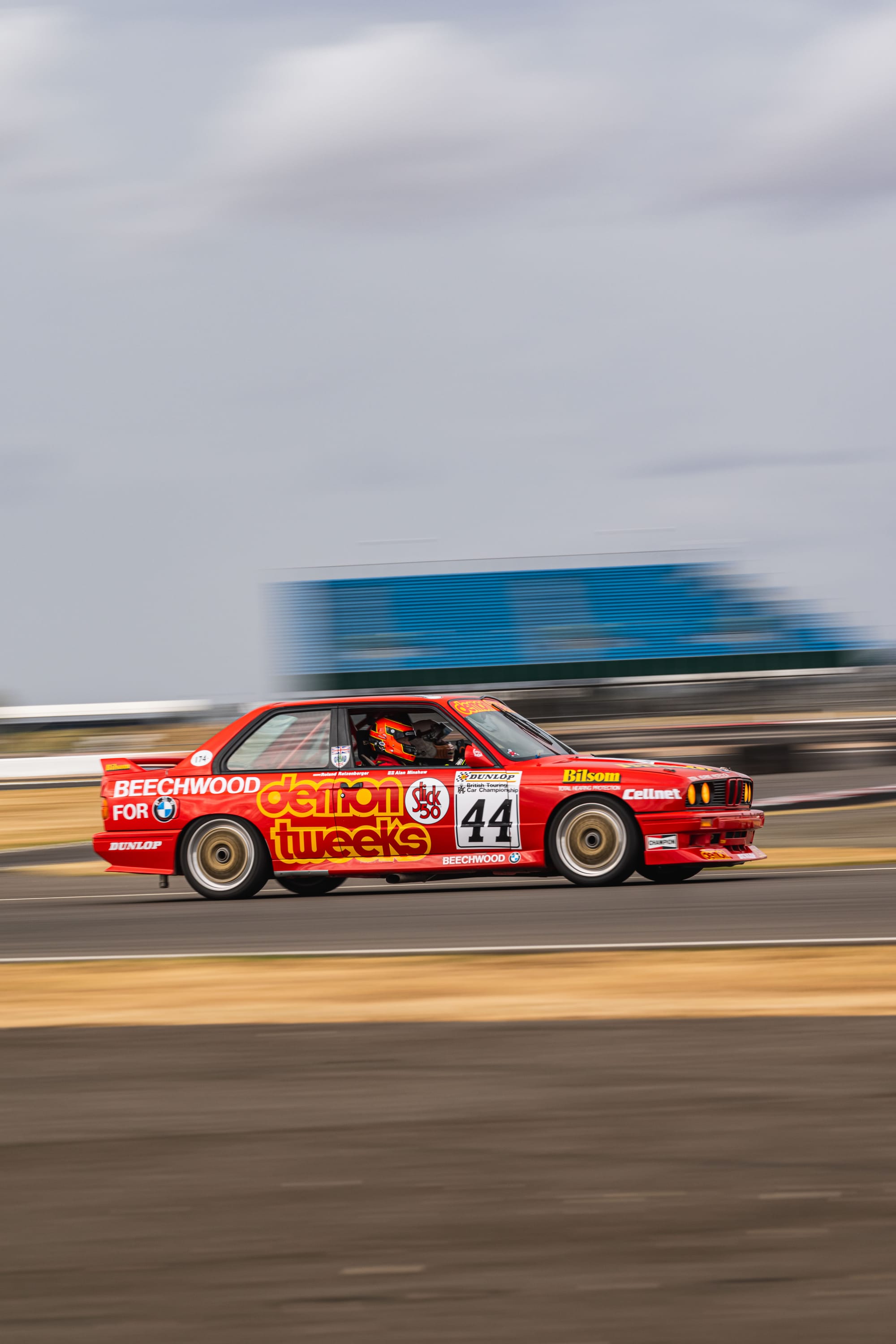
Seeing the E30 M3 back at Silverstone was a reminder of just how much history is contained within some of the cars that make up the festival’s displays. This was not simply another immaculate Group A BMW; it was a genuine piece of British touring car history, with both Minshaw and Ratzenberger’s names attached to it.
The circuit itself also allowed CarFest to bring modern motorsport into the mix. British Touring Car Championship driver Tom Ingram took his 2026 Hyundai around Silverstone’s International circuit, giving spectators the chance to see a current BTCC car being driven properly rather than simply sitting on a stand.
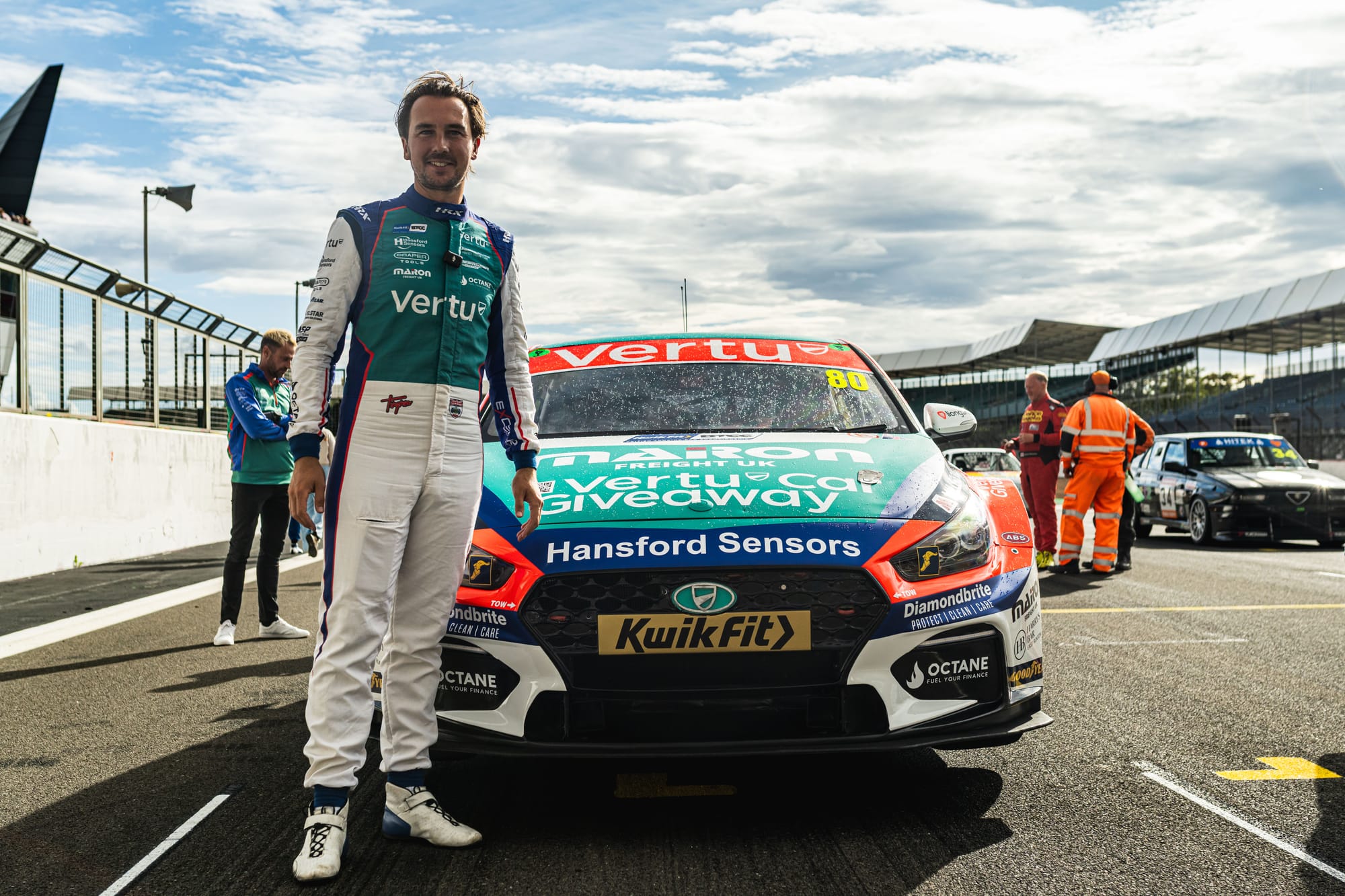
That distinction was important. The move to Silverstone meant that CarFest could offer something its previous venue could never quite replicate: a genuine race circuit and the opportunity to demonstrate contemporary racing machinery at speed.
The rally demonstrations provided another highlight, with Slowly Sideways bringing its collection of historic rally cars to the event. The sight and sound of the cars being driven sideways around the circuit provided some of the most entertaining track action of the weekend, while also giving fans a chance to see machinery from rallying’s past being used as intended.
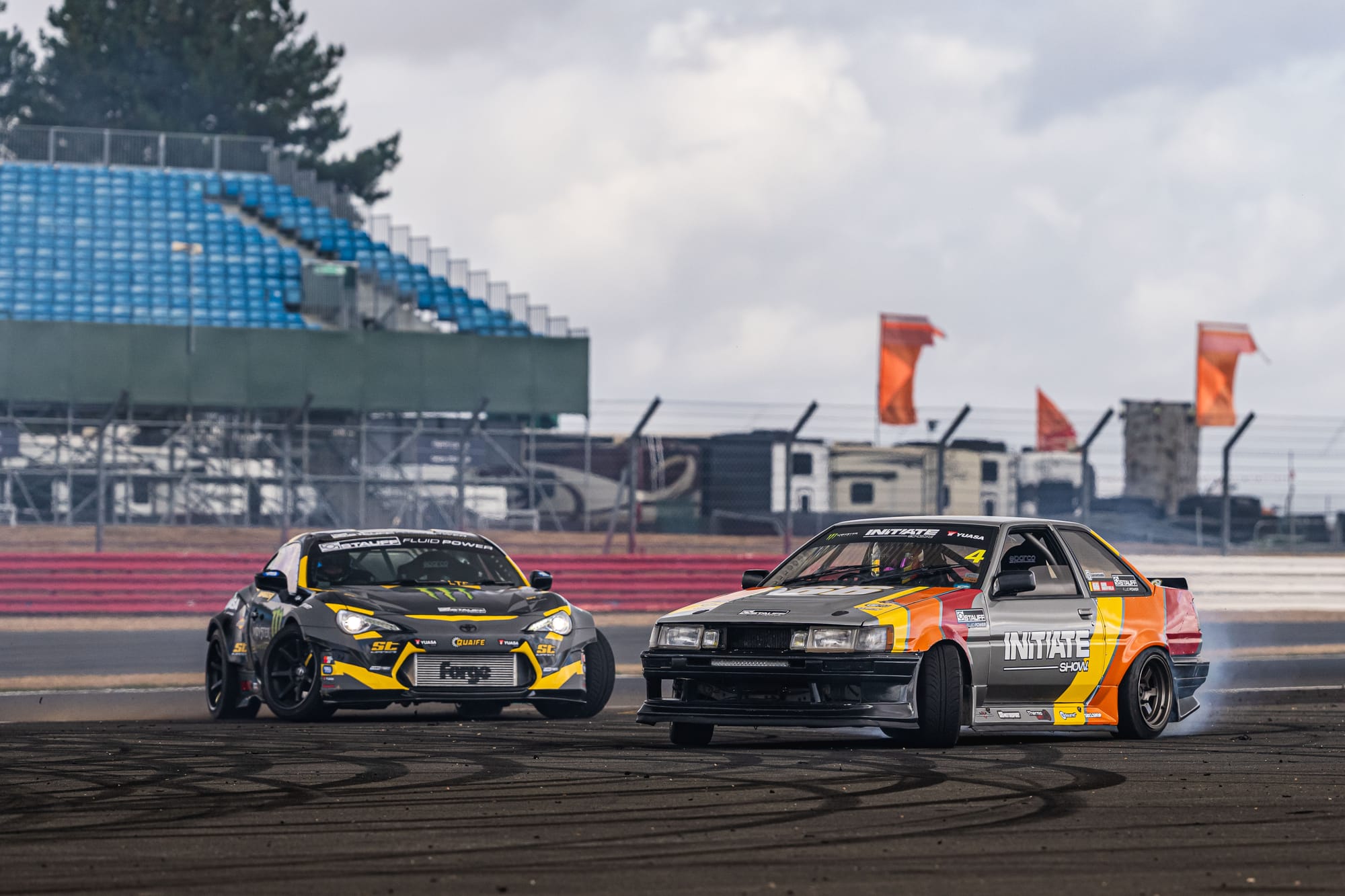
There was also the sort of unscripted spectacle that tends to become one of the stories people remember. Grant Williams put on a huge burnout for the crowd, only for the tyres to eventually give up under the punishment. The resulting tyre failure was perhaps inevitable, but it summed up the more flamboyant side of CarFest’s approach to demonstrations: give the crowd something spectacular and worry about the consequences afterwards.
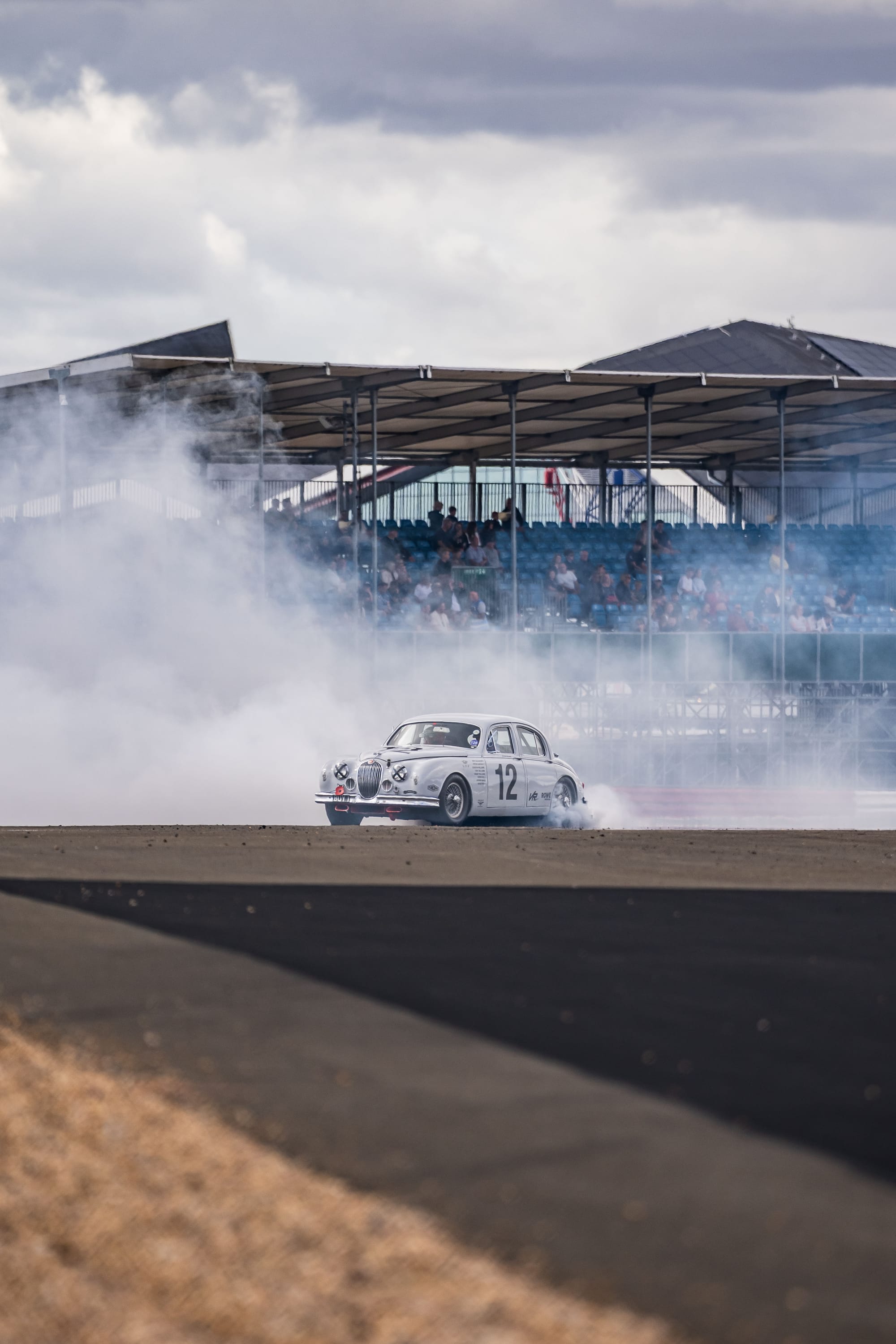
Away from the circuit, there was no shortage of machinery capable of drawing a crowd. The Dacia Sandrider was among the most interesting modern rally-raid cars present, having established itself as one of the major new forces in the Dakar Rally. The Sandrider’s 2026 campaign had been particularly significant, with Nasser Al-Attiyah and Fabian Lurquin taking victory on the Dakar.
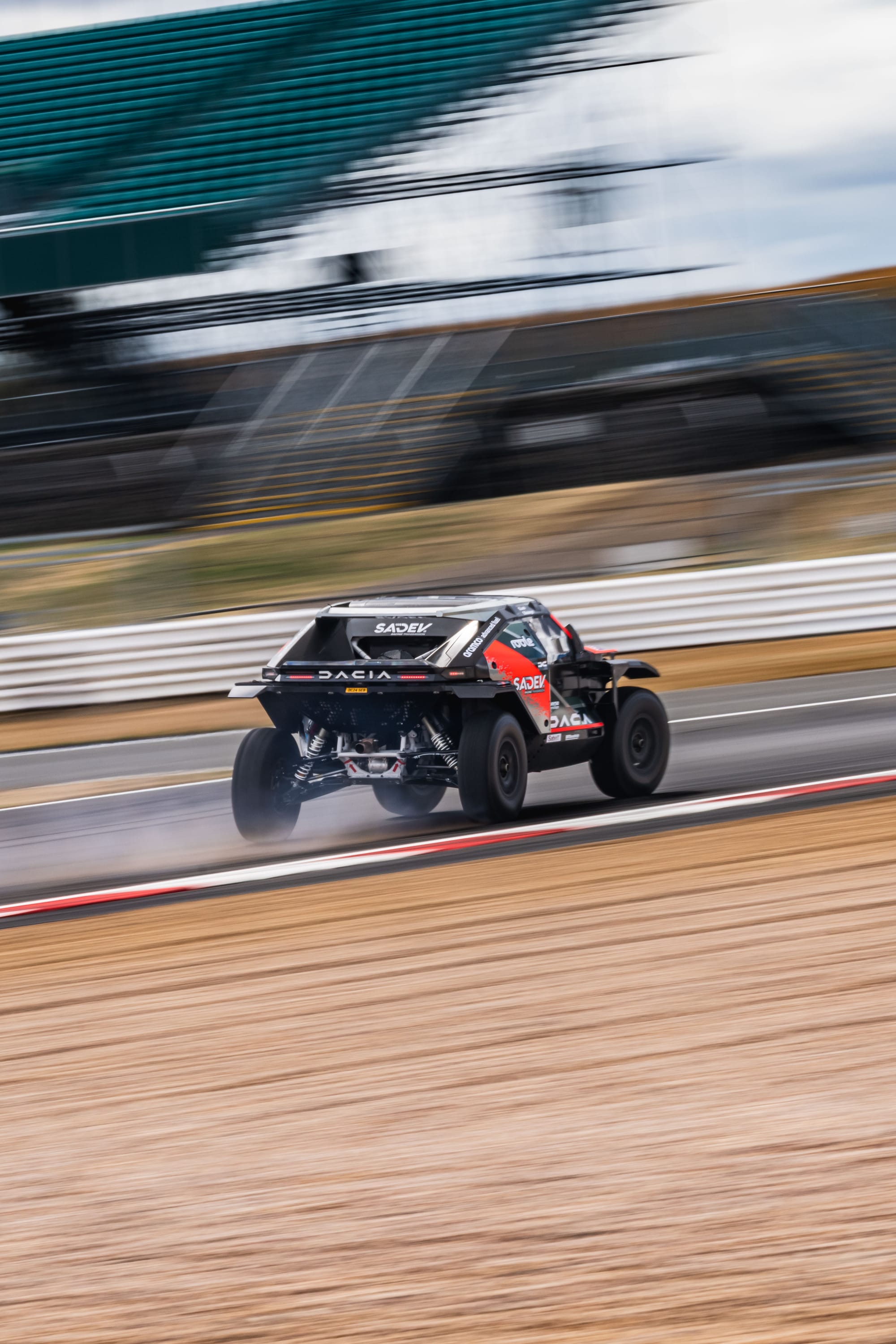
The purpose-built Ultimate T1+ machine brought some of the world’s toughest motorsport to Silverstone, complete with its tubular chassis, carbon bodywork, four-wheel drive and twin-turbocharged V6. Its presence demonstrated the breadth of CarFest’s automotive offering, stretching from historic British sports prototypes and Group A touring cars to the latest machinery from international rally-raid competition.
Then there was the McLaren W1, which provided one of the weekend’s more unusual celebrity encounters. Comedian Jimmy Carr was shown around McLaren’s latest flagship before heading off to Abu Dhabi for a comedy engagement. It was a typically CarFest combination: a celebrity, one of the world’s most desirable modern performance cars and the Silverstone paddock all coming together in the same moment.
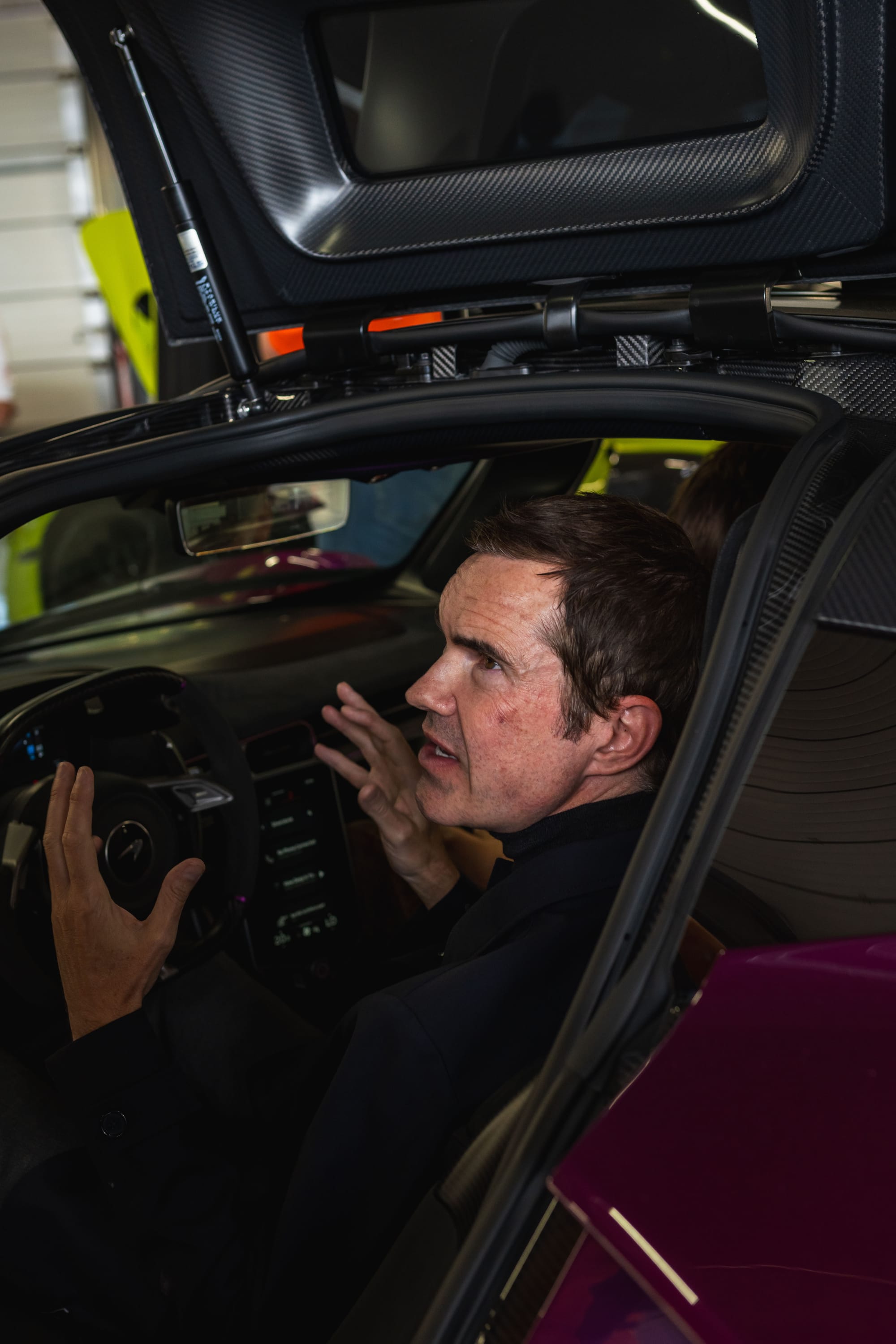
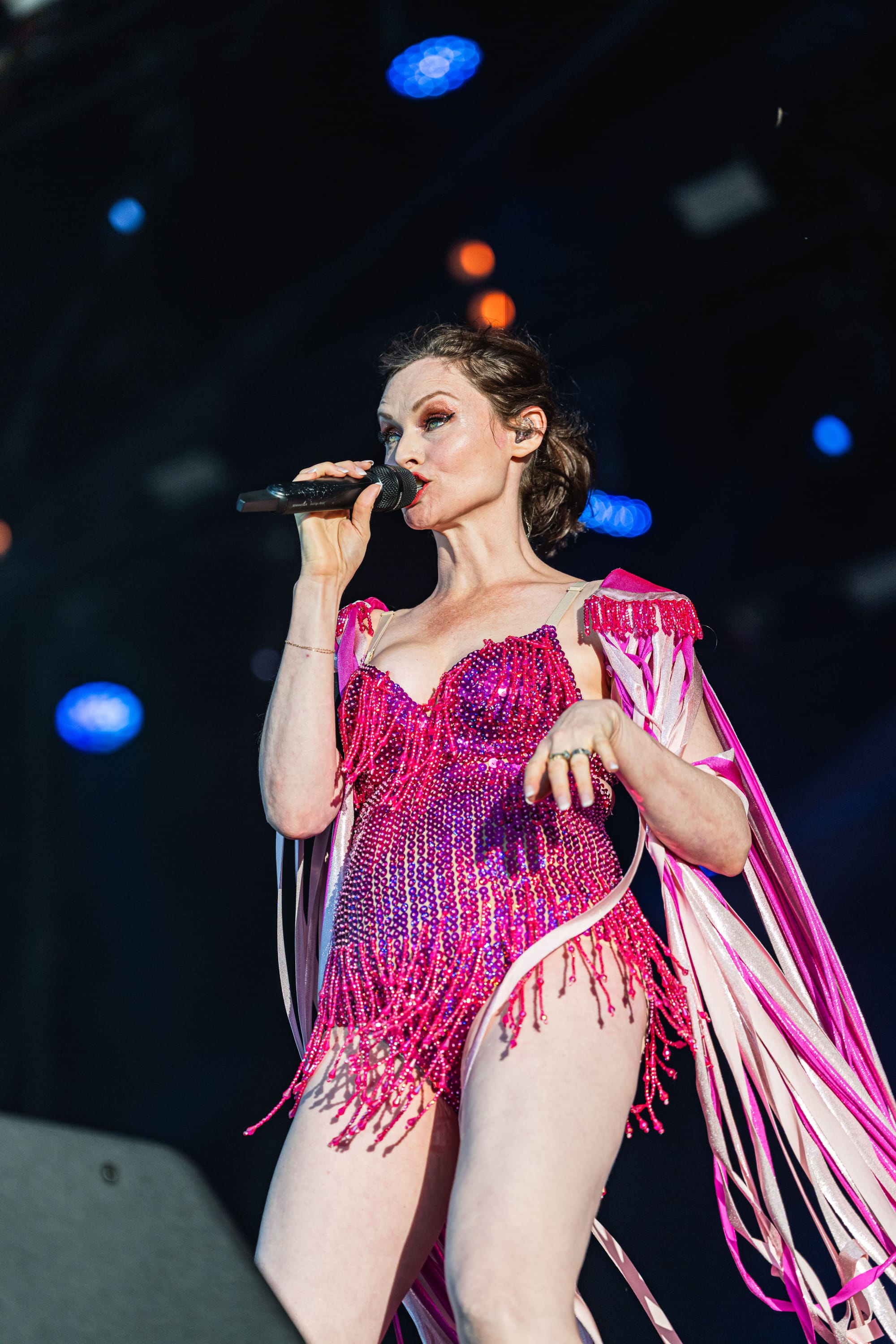
That mixture of cars and personalities remains central to what makes CarFest different from a conventional motorsport event. The festival isn’t attempting to replicate a race weekend, nor is it simply a concours or car show. Instead, it puts historically significant racing cars, modern performance machinery, celebrities, music and family entertainment alongside one another.
The numbers suggested that the move to Silverstone also succeeded in attracting a new audience. Around 75% of visitors were new faces, with the remaining 25% made up of returning CarFest attendees. For an event that had spent years establishing itself at Laverstoke Park Farm, that represents a significant change in its audience and suggests that the Silverstone move has opened the door to a different generation of visitors.
There was still plenty for the established CarFest audience, too. The festival retained its strong charity focus, having raised more than £28 million for children’s charities since its launch in 2012, while its 2026 programme continued to combine the automotive attractions with live music, celebrity appearances, food and family activities.
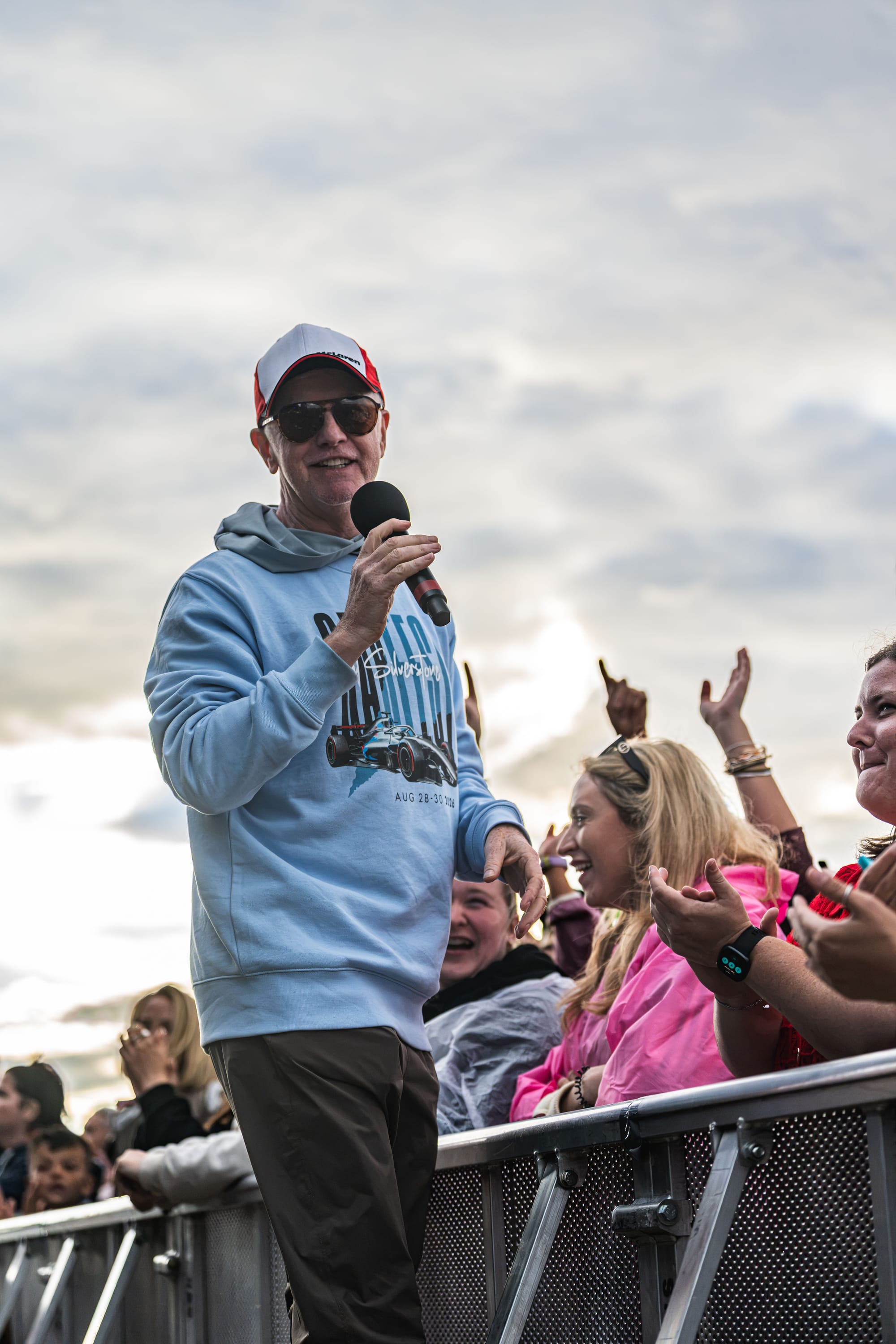
CarFest’s move to Silverstone was therefore much more than a change of postcode. It has given the festival a venue that allows the automotive programme to become a far more important part of the event without sacrificing the music, celebrity and charitable elements that have made CarFest what it is.
The first chapter at Silverstone suggested that the combination works. For one weekend, some of motorsport’s past, present and future shared the same paddock — and CarFest suddenly felt less like a car festival that happened to have a circuit nearby and much more like a genuine celebration of motorsport itself.