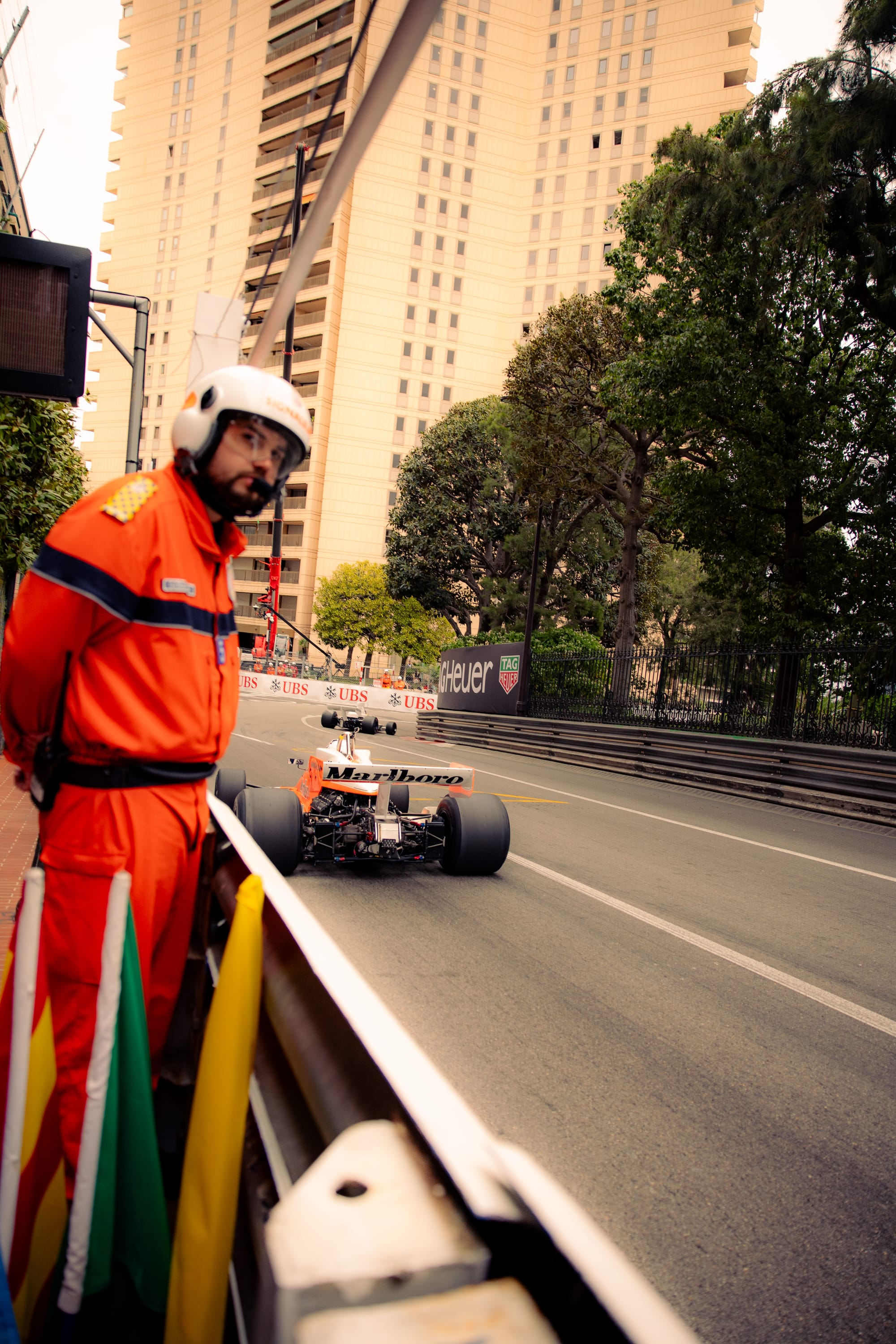
The 15th running of the Monaco Historic Grand Prix in 2026 delivered its customary blend of theatre, heritage and intensity, as the streets of Monte Carlo once again reverberated to the sights and sounds of grand prix racing’s past. Run across late April on the tight, unyielding Circuit de Monaco, the biennial event brought together more than 200 cars, split across eight grids that charted the evolution of the discipline from pre-war Voiturettes through to ground-effect Formula 1 machinery of the early 1980s.
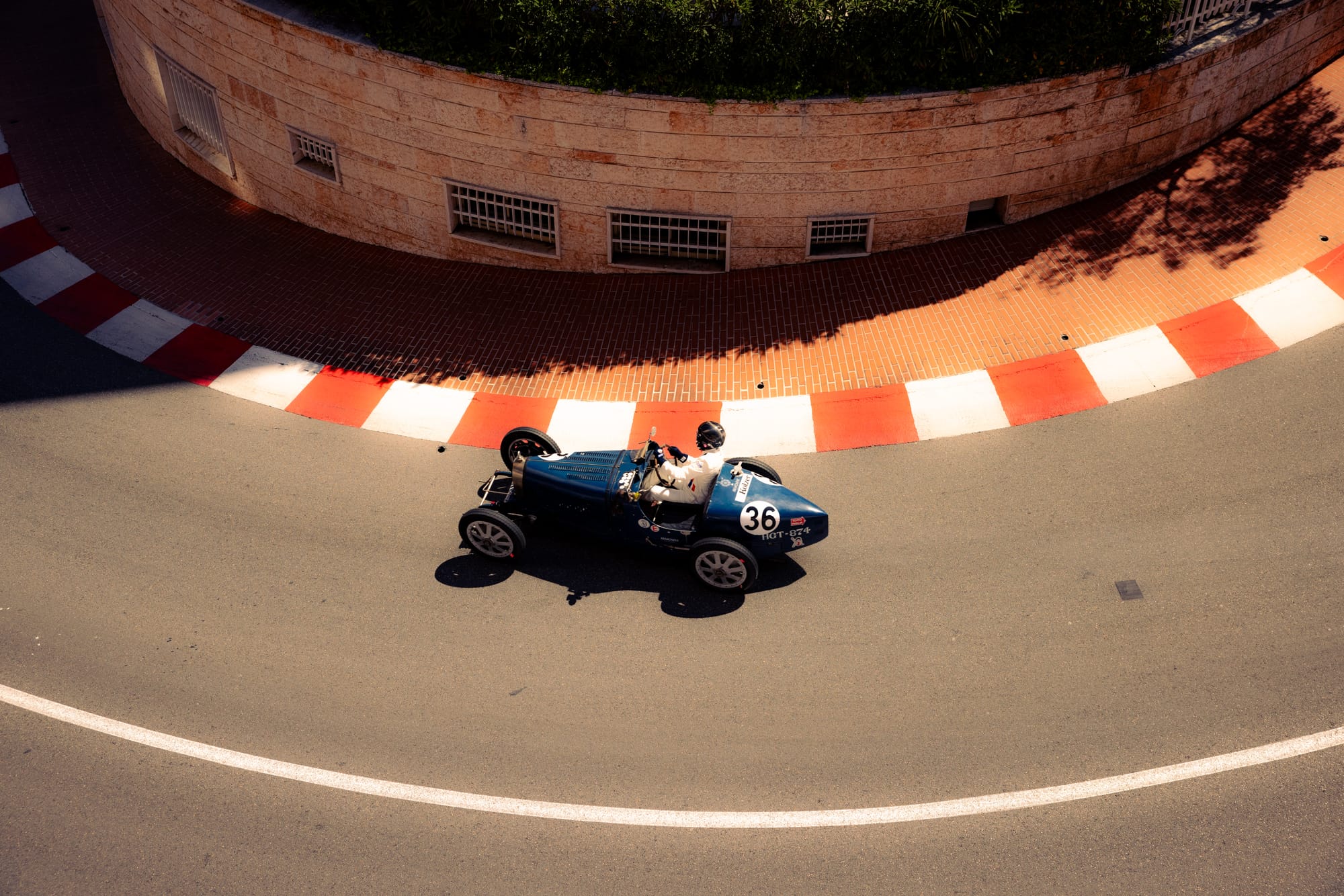
As ever, the format mirrored that of the modern Monaco weekend, with practice and qualifying sessions setting the grids before a sequence of short, sharp races where track position and precision counted for everything. Overtaking remained predictably scarce, placing a premium on qualifying performance, racecraft in traffic and the ability to manage both machinery and conditions around a circuit that punishes even minor errors.
Weather played a decisive role across the weekend, culminating in a rain-affected Sunday that added a further layer of jeopardy. Changing grip levels and standing water caught out a number of drivers, particularly in the later Formula 1 classes, where performance differentials and commitment levels are at their highest. In the 1970s category, Stuart Hall once again demonstrated his pedigree in historic machinery, controlling the race from the front in a McLaren M23 before late rain forced a safety car intervention. With incidents increasing in frequency as conditions deteriorated, the race was ultimately neutralised to the finish, securing another Monaco Historic victory for Hall.
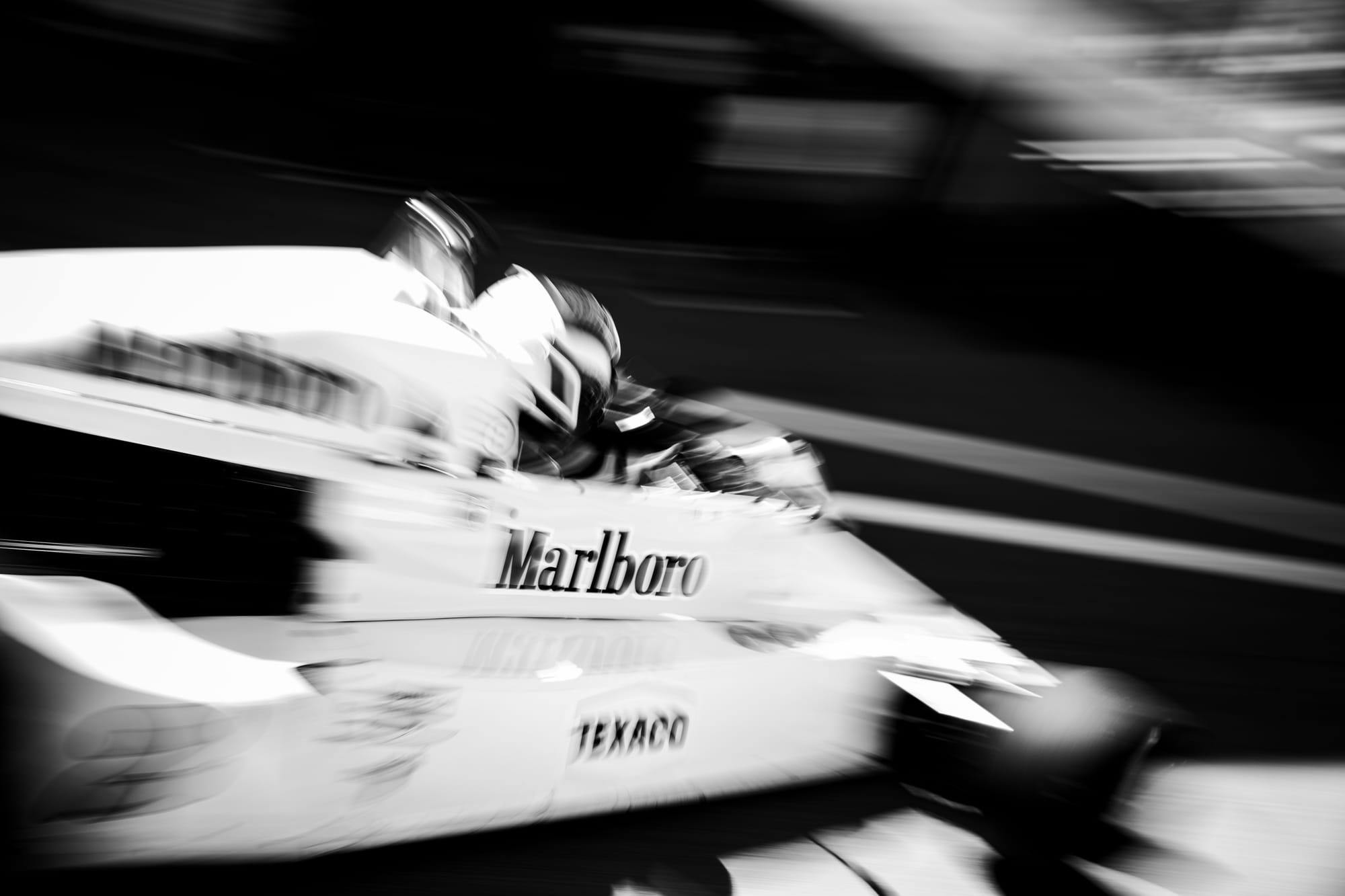
He repeated that success in the premier Group G class for early-1980s cars, this time at the wheel of a March 821. That category, typically regarded as the headline act of the weekend, showcased the final generation of Cosworth DFV-powered Formula 1 cars alongside the first wave of ground-effect designs. The combination of high cornering speeds, narrow track confines and drivers willing to extract the maximum from valuable historic machinery once again underlined why this era remains a centrepiece of the event.
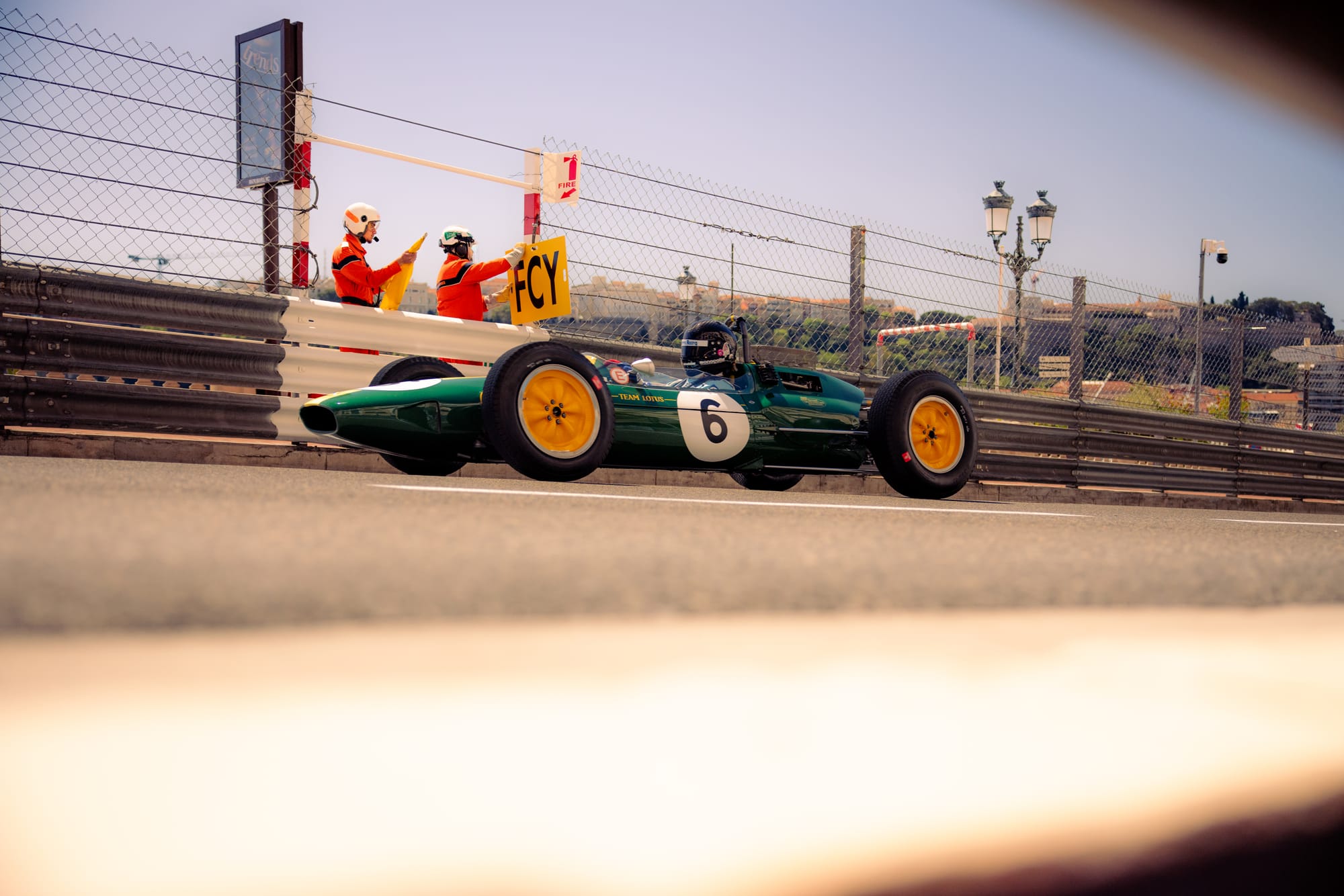
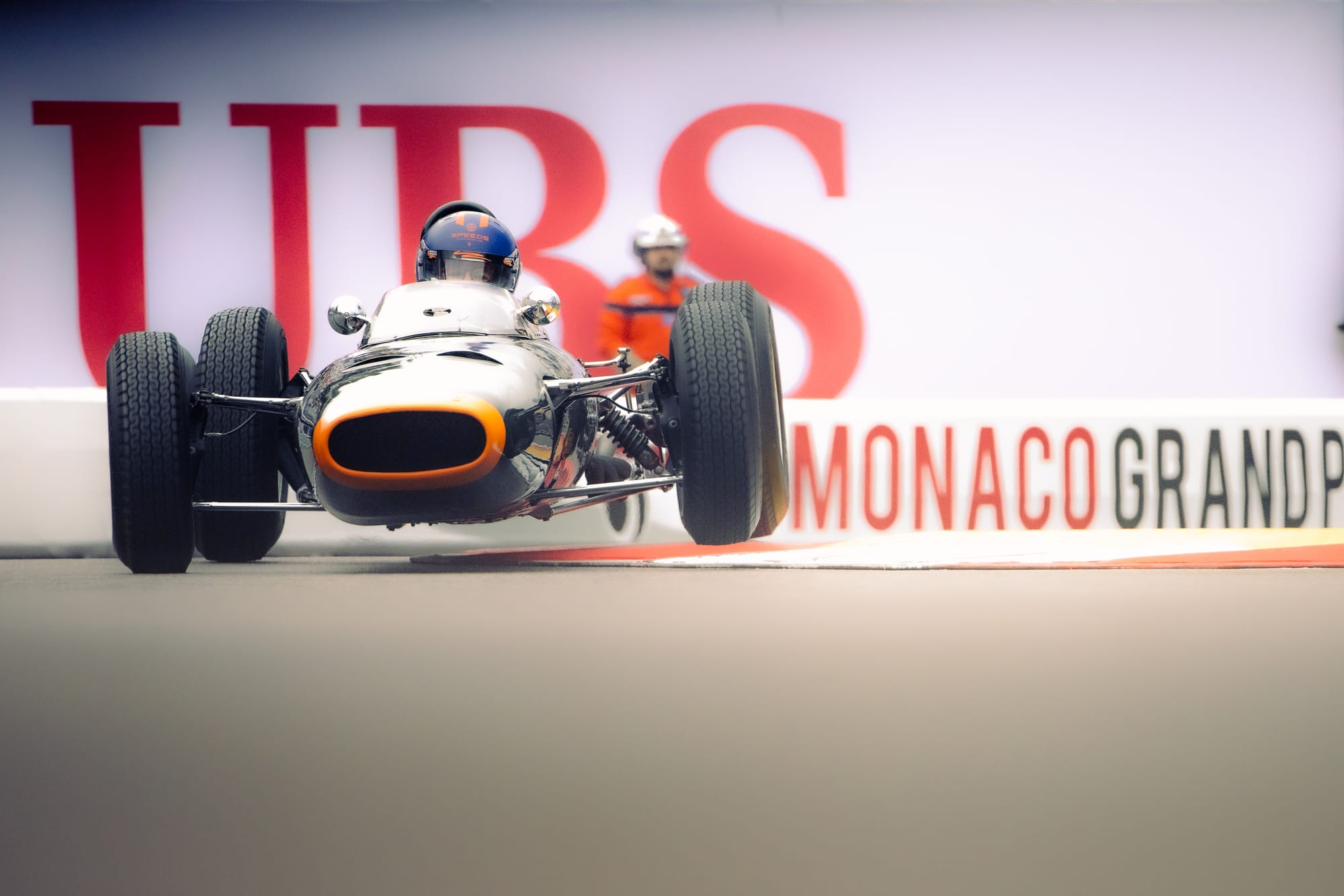
Elsewhere, the earlier grids provided a striking contrast in both driving style and vehicle dynamics. The pre-war and immediate post-war machinery demanded a more measured approach, yet still produced closely fought racing defined by momentum and mechanical sympathy. The 1960s categories, featuring cars from the 1.5-litre Formula 1 era, delivered some of the most visually evocative moments of the weekend, with lightweight, nimble chassis threading through Monaco’s barriers with remarkable agility.
A consistent theme throughout was the standard of preparation and authenticity. Many of the cars are maintained to period-correct specifications, and in numerous cases carry significant provenance, having been raced in world championship grands prix. That authenticity extends to the driving approach: while there is an understanding of the value of the machinery, the competitive element is genuine, with drivers pushing hard within the limits of both car and circuit.
Images by Tommy Lloyd
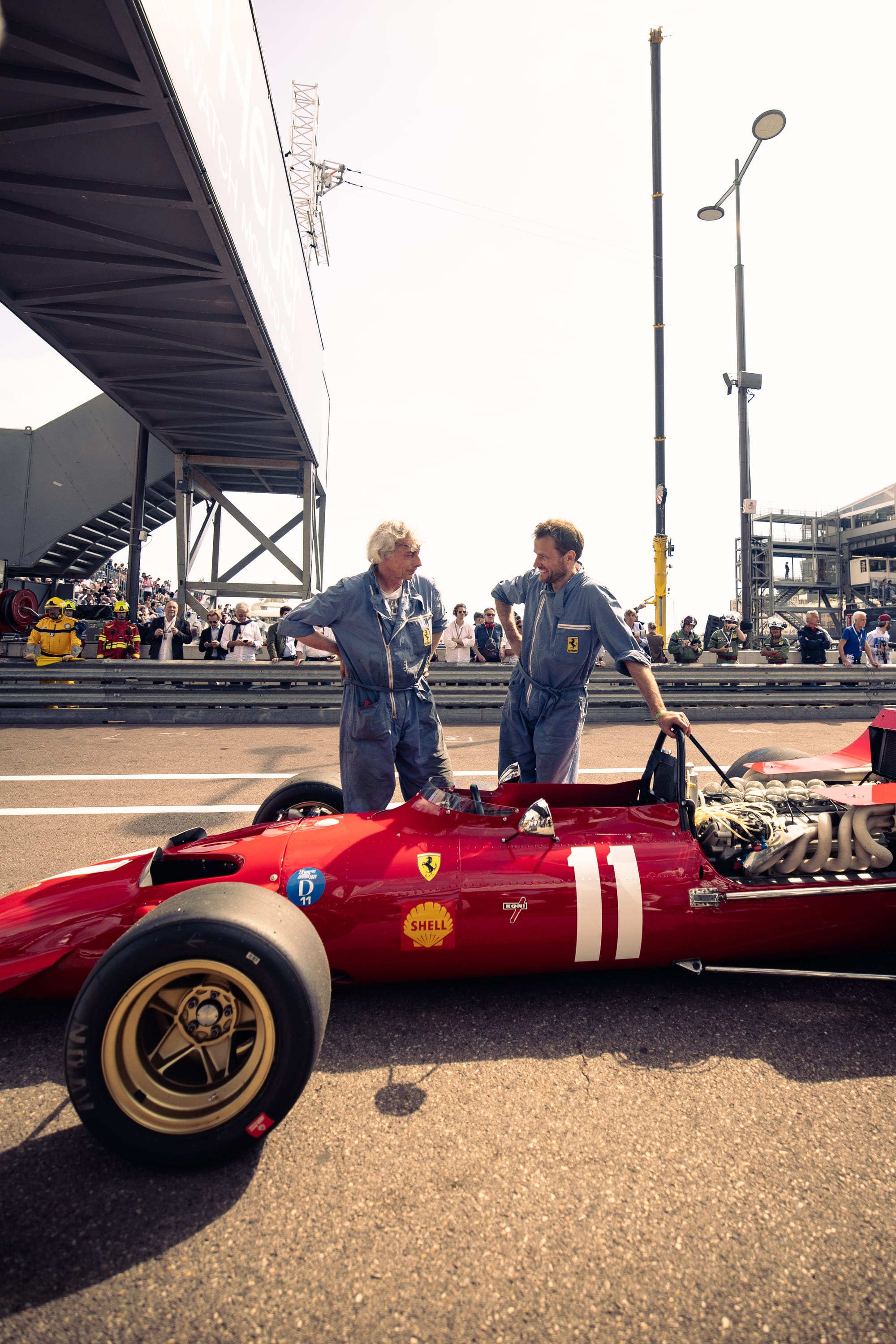
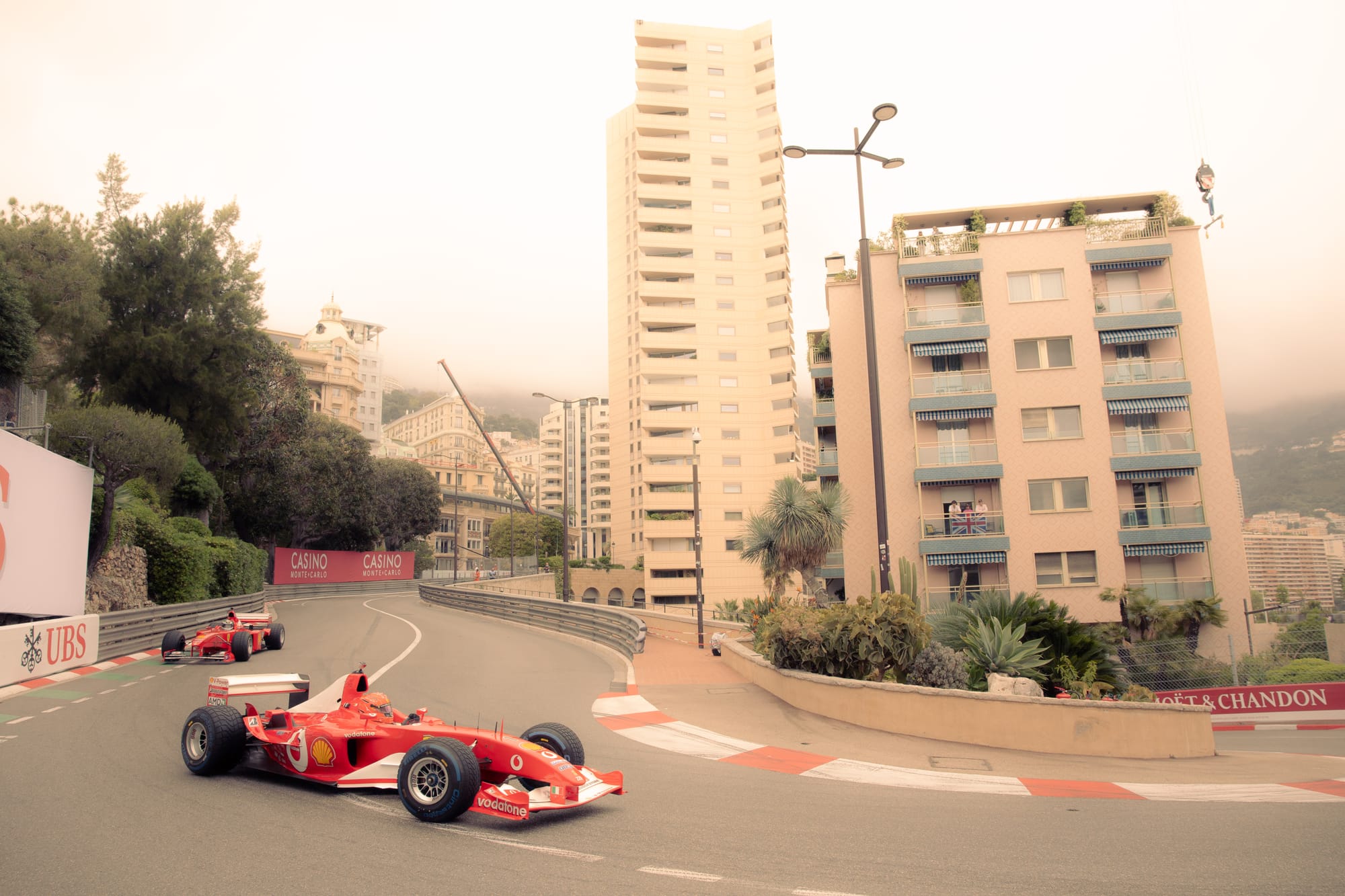
Beyond the racing itself, the 2026 event also emphasised Monaco’s ability to blend competition with spectacle. A Ferrari demonstration brought together a range of cars spanning multiple Formula 1 eras, including examples from the V10 and early V8 periods, offering a rare opportunity to see and hear these machines on a circuit for which many were originally designed. Appearances from former Formula 1 drivers added further depth to the occasion, reinforcing the link between the sport’s past and present.
Images by Tommy Lloyd
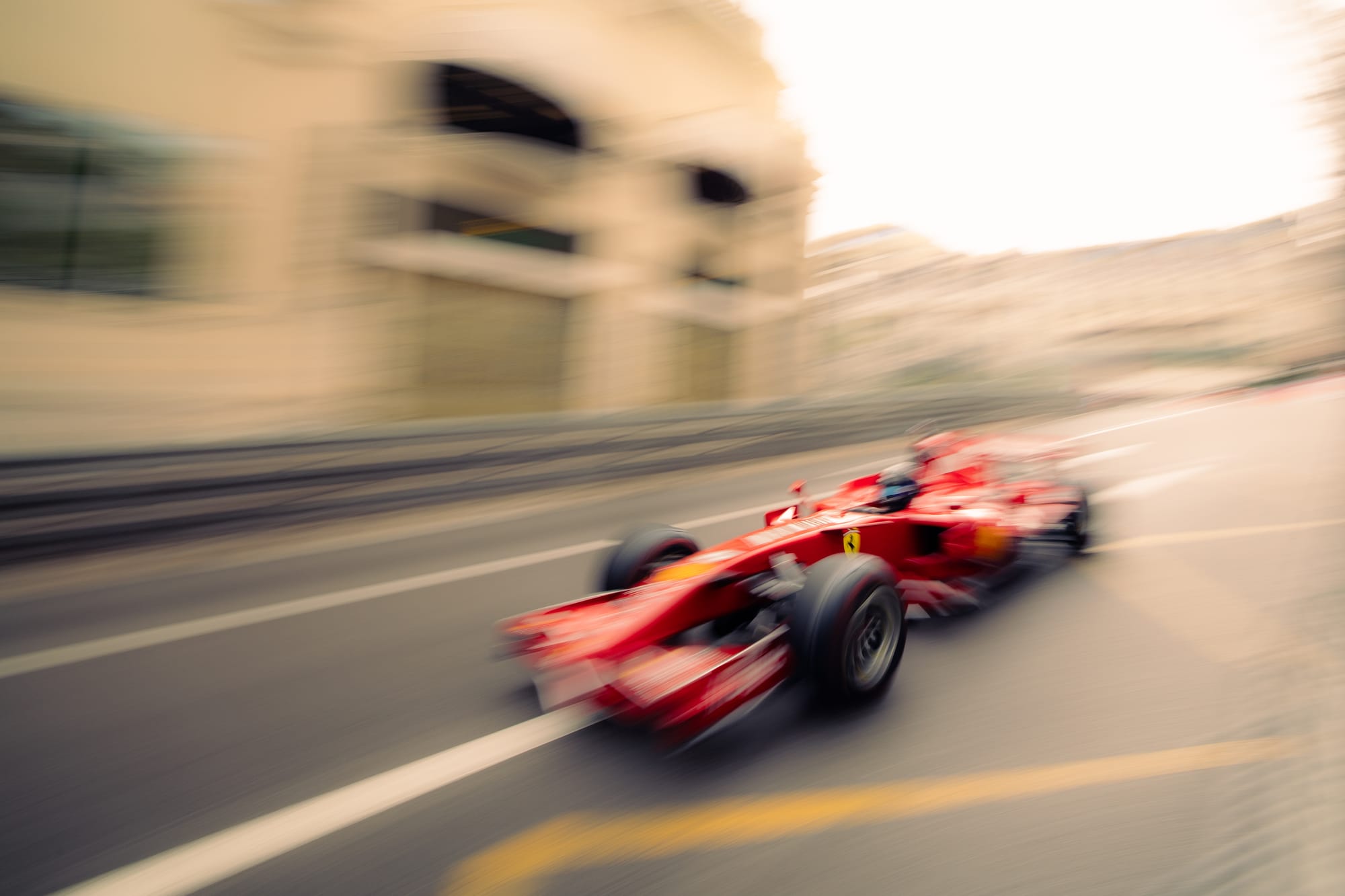
The enduring appeal of the Monaco Historic Grand Prix lies in that combination of authenticity and setting. Few circuits remain as unchanged in character as Monaco, and fewer still are capable of hosting such a broad cross-section of racing history in a format that retains genuine competitive integrity. The 2026 edition once again highlighted the unique demands of the venue, the skill required to master it in machinery spanning decades, and the continued enthusiasm for preserving and racing cars from Formula 1’s most evocative eras.