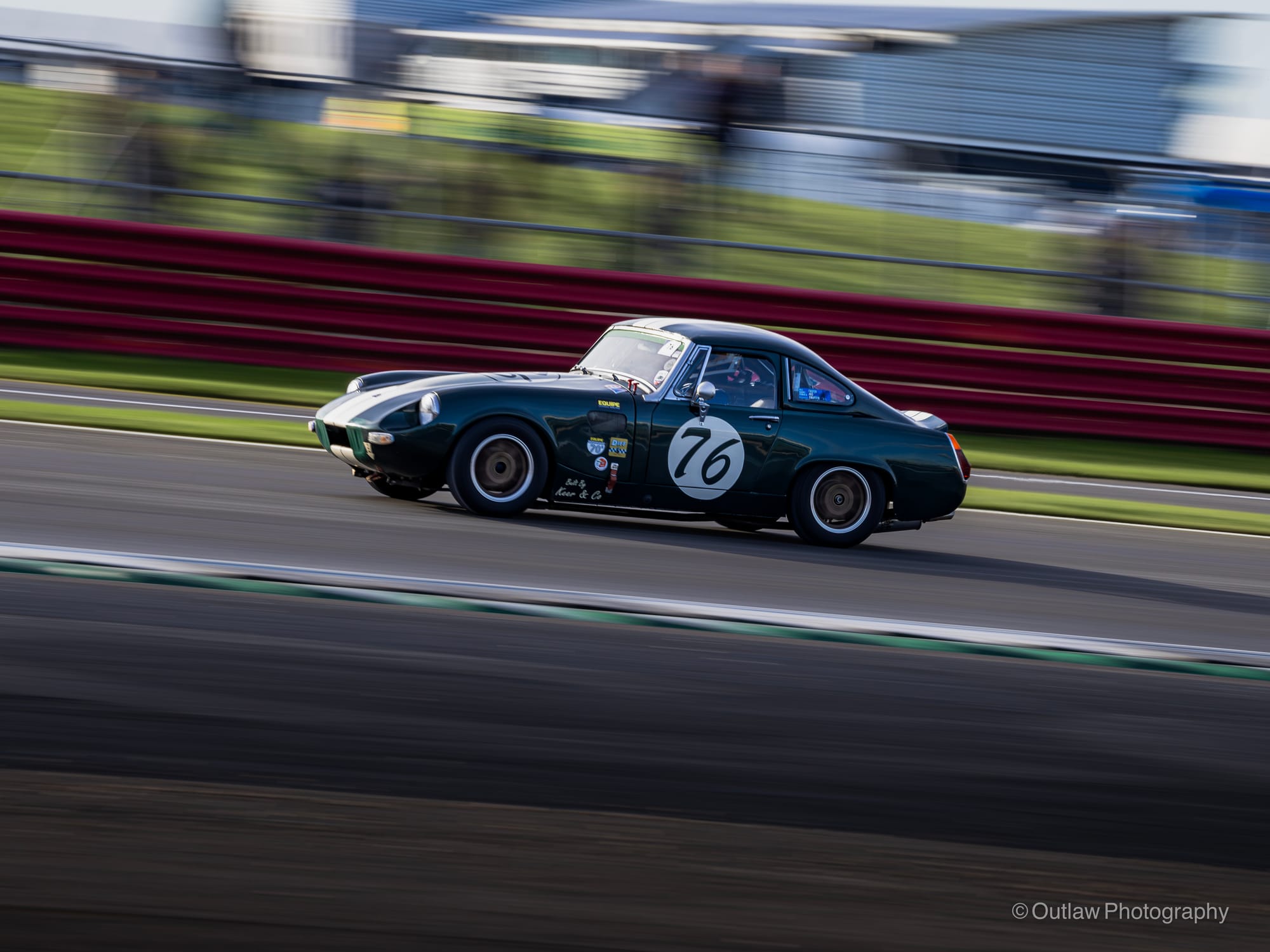
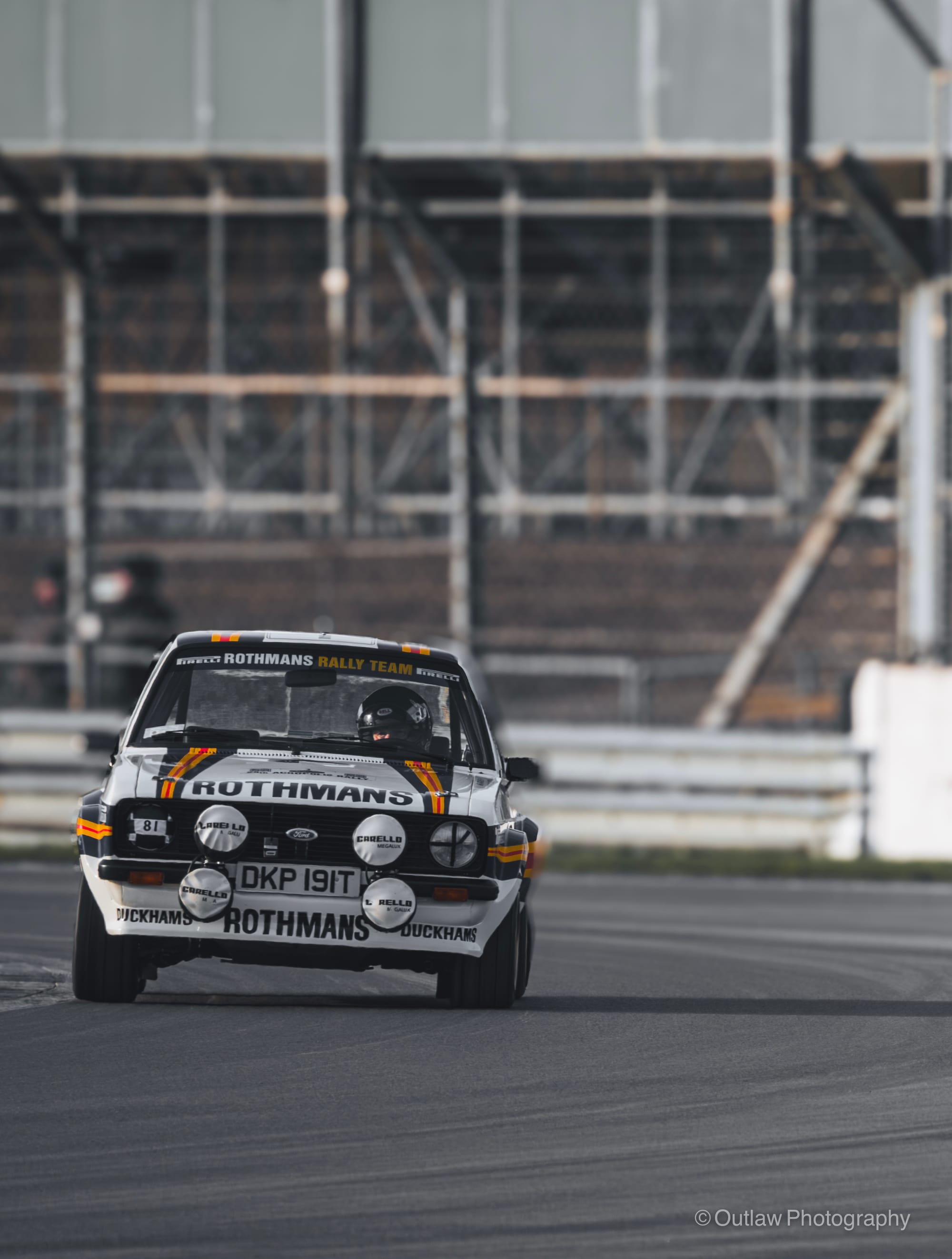
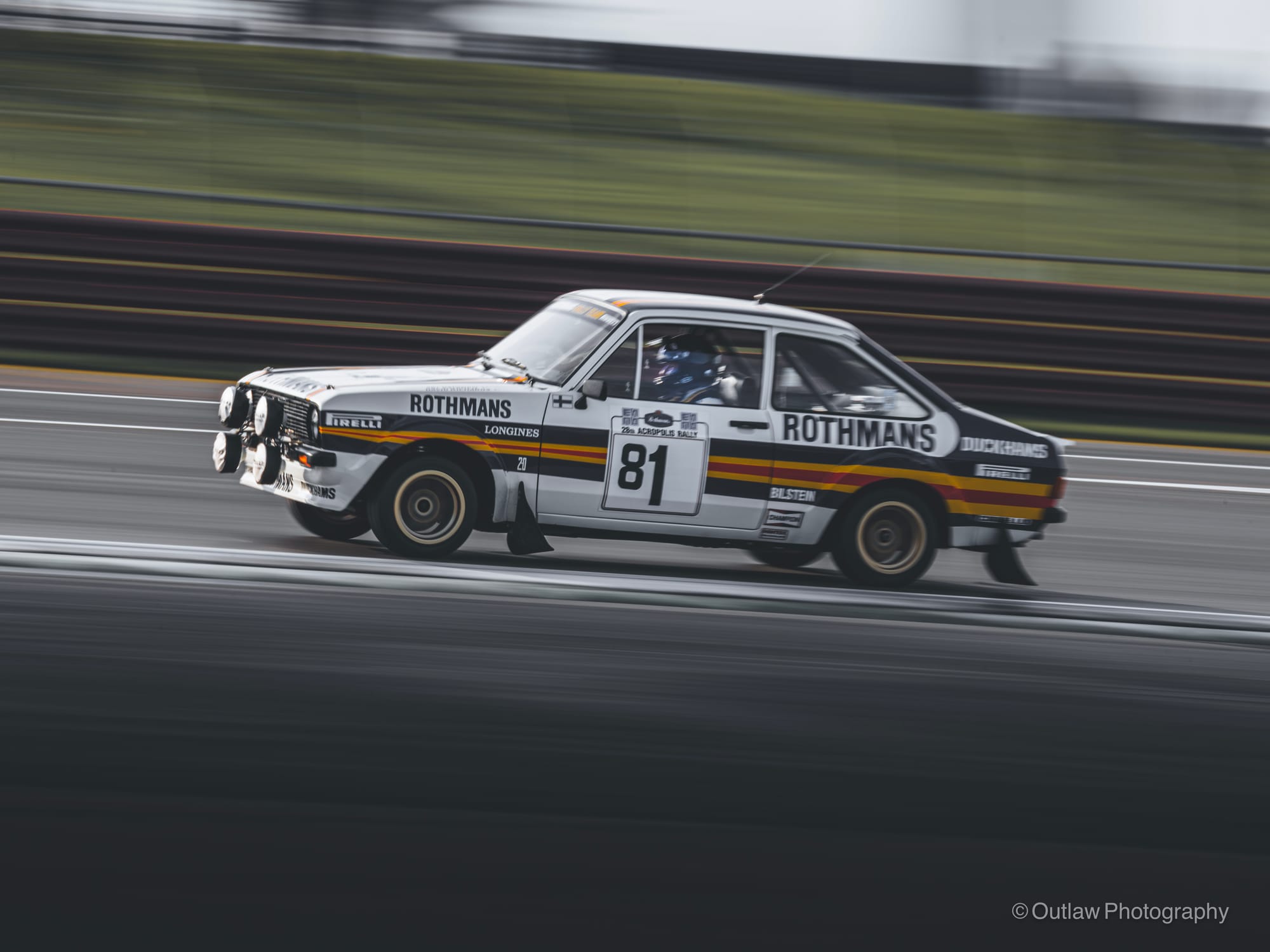
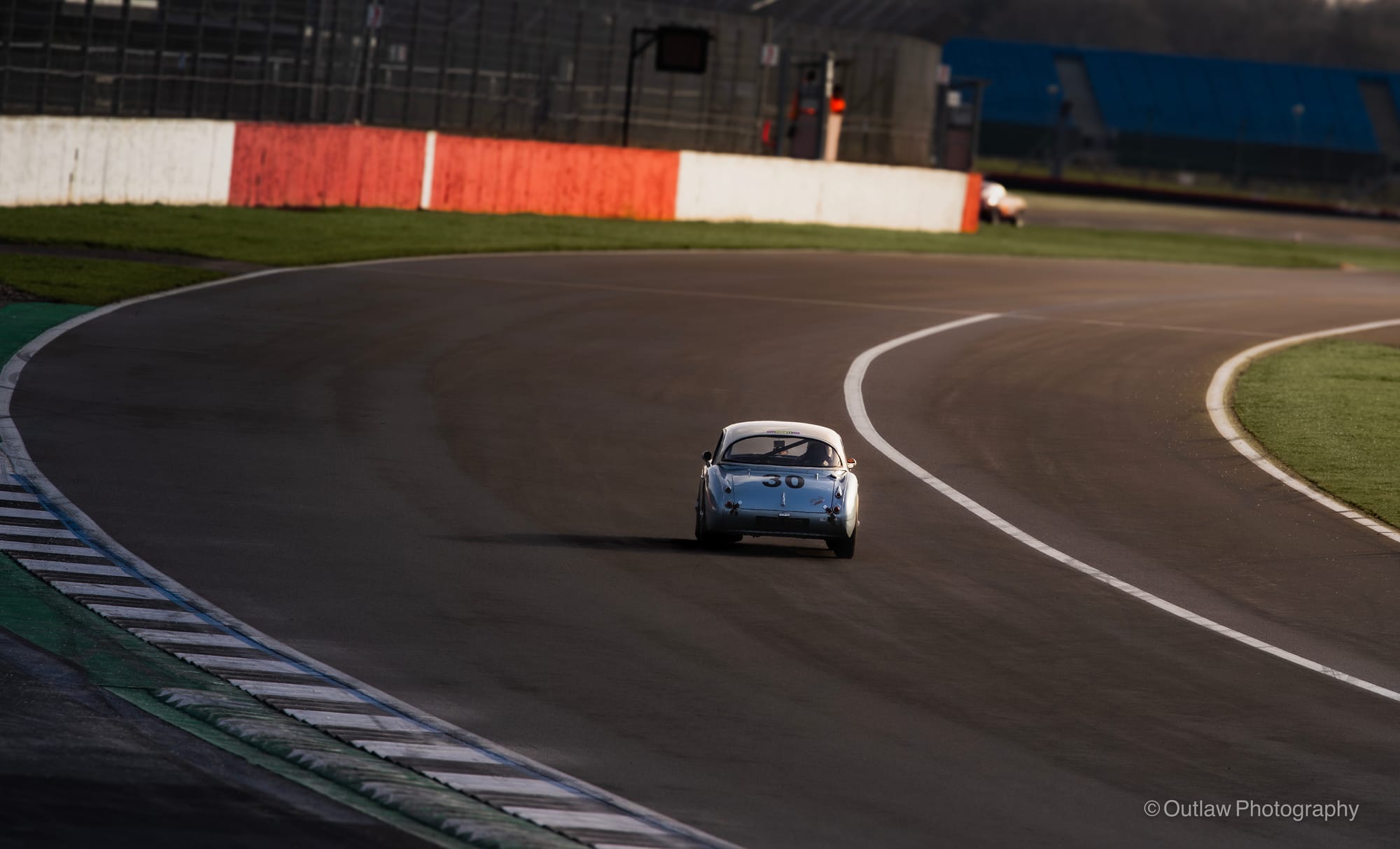
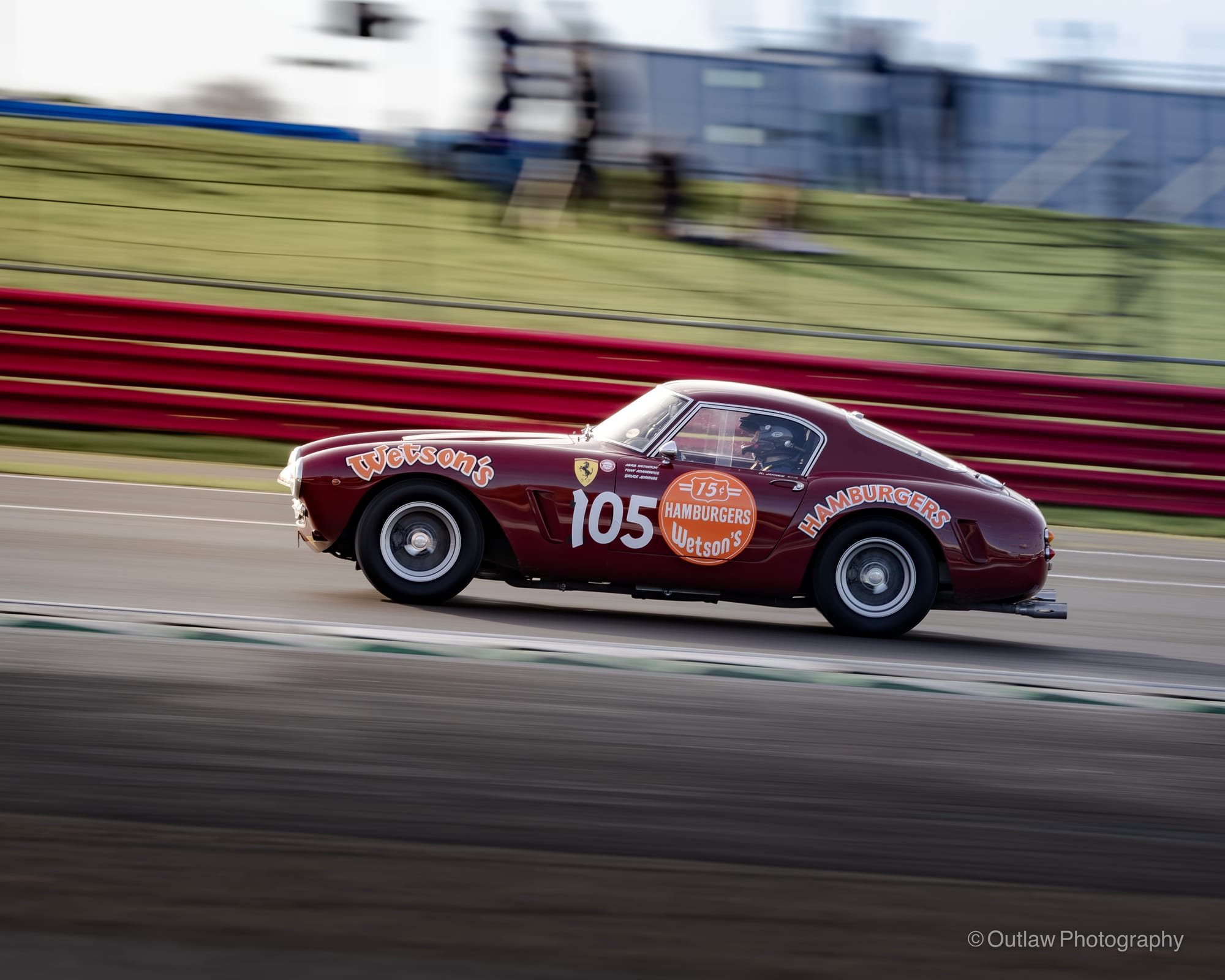
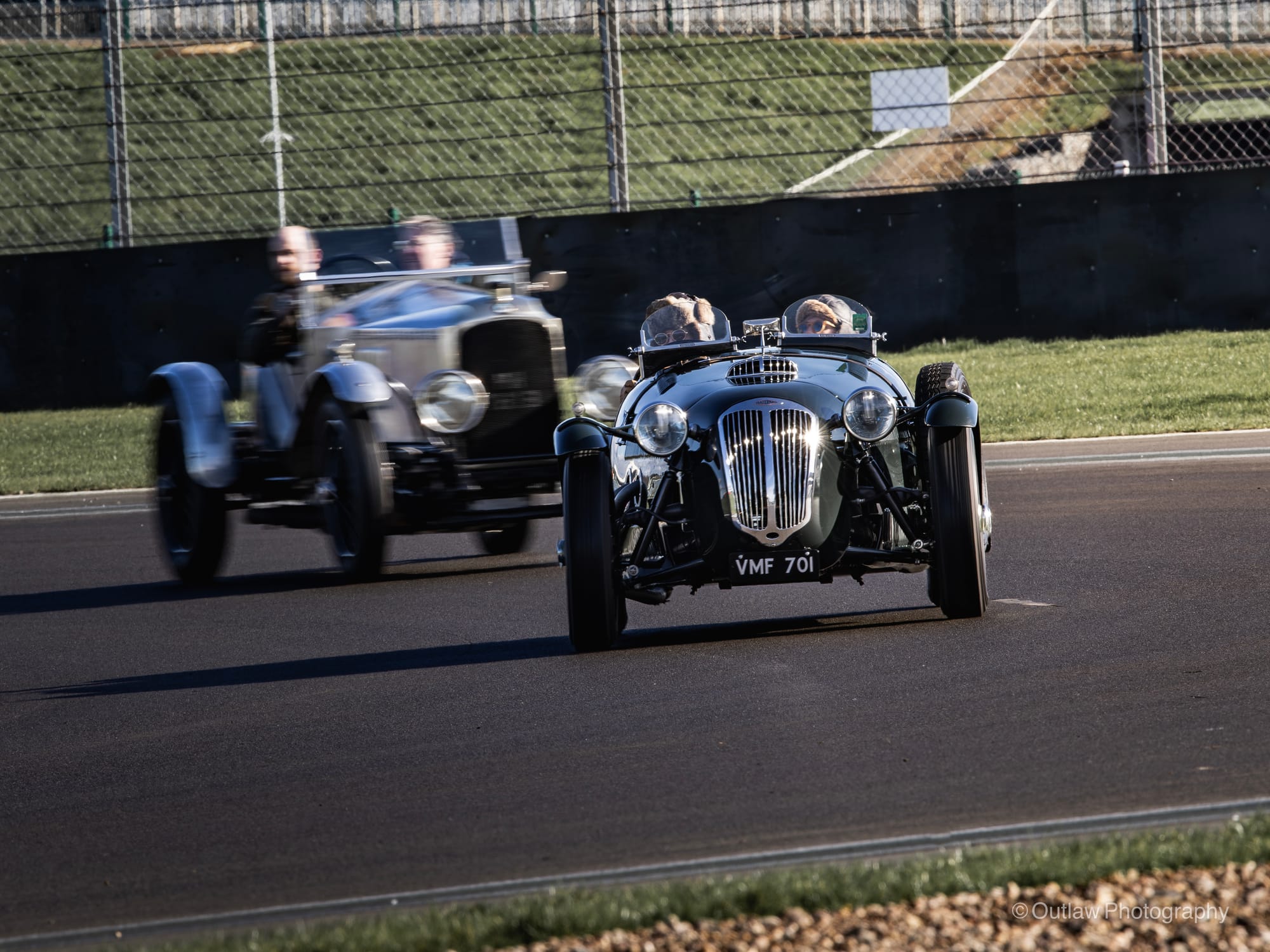
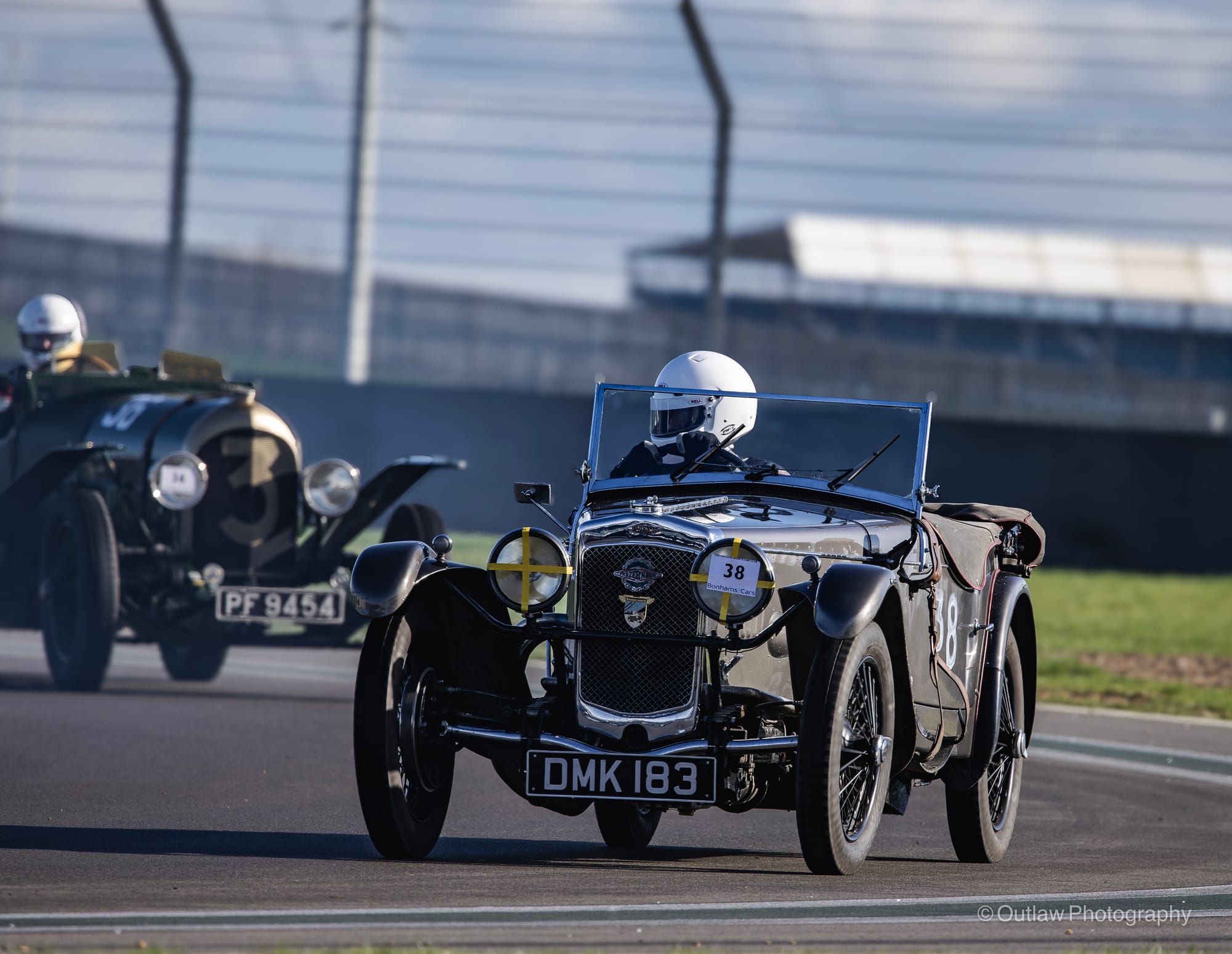
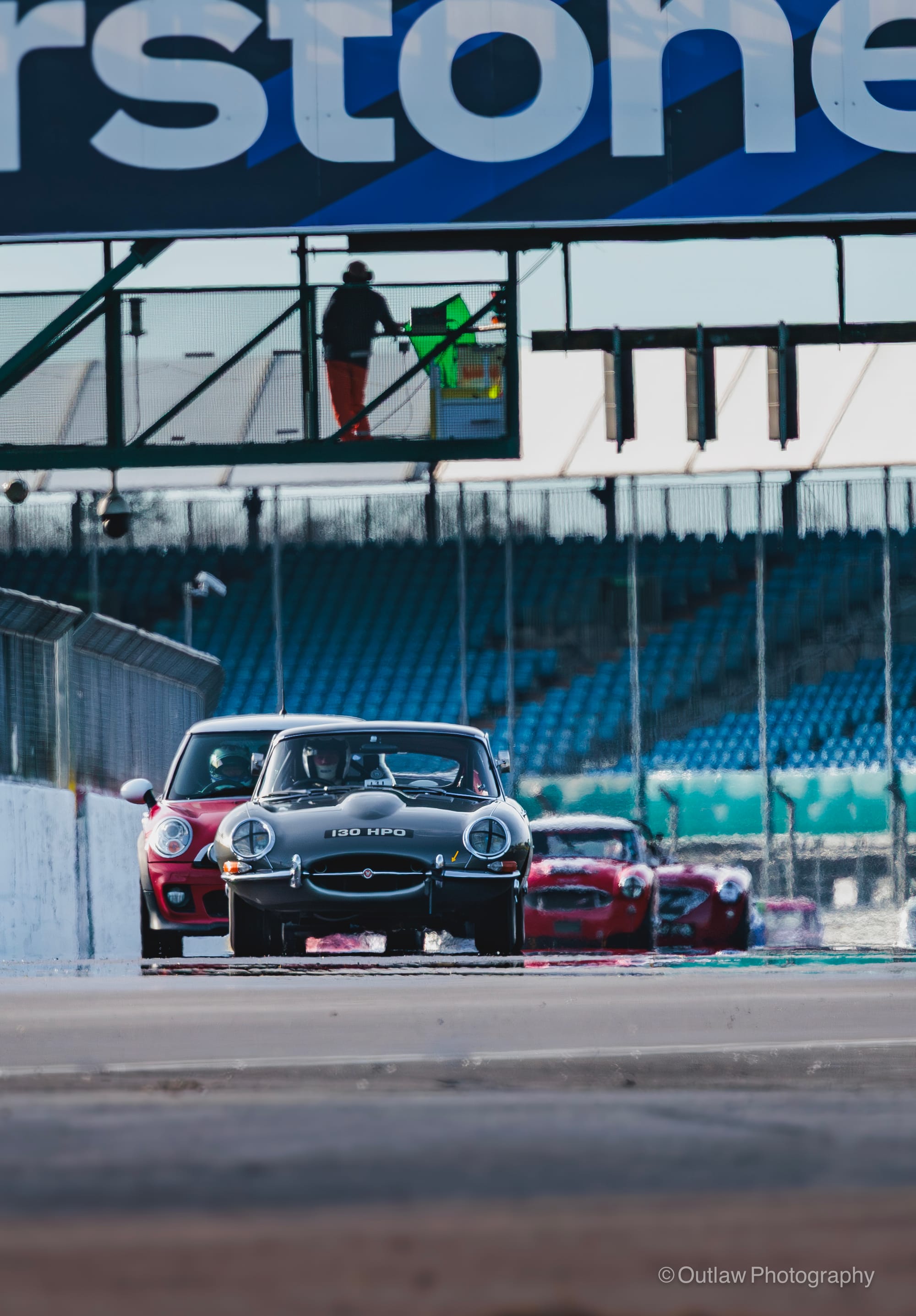
There’s probably no single event that sums up the Vintage Sports-Car Club better than the Pomeroy Trophy. It’s been running in its current form since 1952 and still asks the same question it did back then. Which car is the best all-round touring motor car? Not the fastest. Not the most valuable. The most capable across a mix of tests that reward balance, efficiency and consistency.
This year marked the 70th running of the event, and the entry reflected that milestone. Cars spanning close to a century lined up together, with several previous winners on display in the paddock. Pre-war machinery sat alongside far newer metal, all facing the same format and the same conditions. It’s a rare sight anywhere else. That blend of eras is exactly what gives the Pomeroy its character.
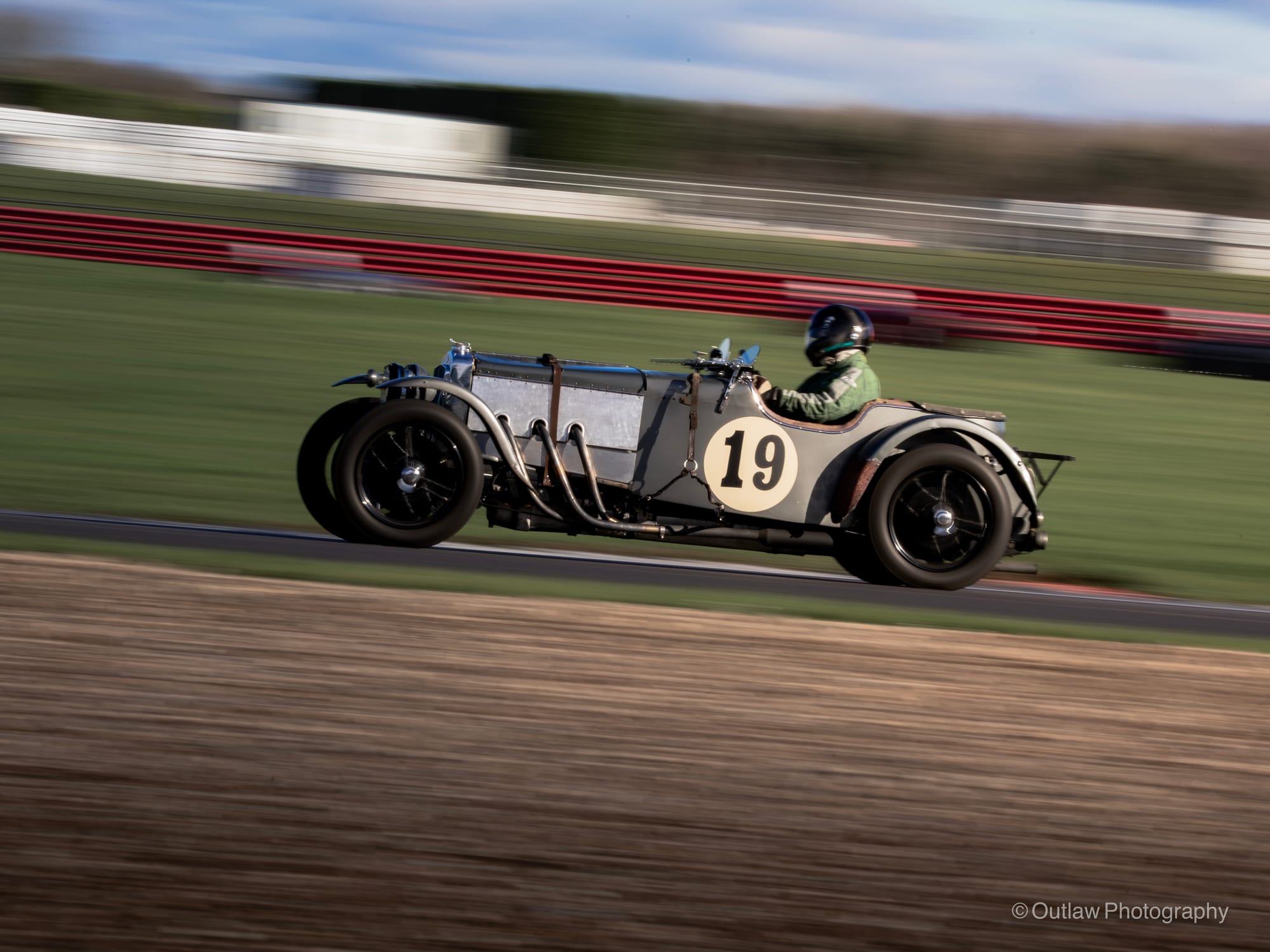
The day began under bright winter sun but it never really warmed up. It was one of those clear, cold February mornings where the light looks great but the surface stays greasy. Early on there was still a trace of ice in places around Silverstone and that made the opening tests cautious affairs. Drivers felt their way into the day, balancing commitment with a bit of mechanical sympathy and common sense.
The Pomeroy format is simple on paper. Five tests, each worth up to 100 points. Test A is the short slalom on the Wellington Straight, better known as the wiggle test, where agility matters more than outright speed. Test B moves to the National Straight for the braking test. Test C is a timed quarter mile down the Hangar Straight, which runs directly into Test D, the flying 250 metres. Normally that’s where people stretch their legs, but this year the conditions had the final say. With the surface cold and unpredictable, a good number of drivers chose to back out of Test D rather than risk it on what was, at times, a treacherous strip of tarmac.
Across the morning there were the usual small dramas. The odd spin. A few cones launched into the air. Nothing serious, but enough to keep things interesting and remind everyone that these cars can still bite. One moment on the National Straight stood out. During the braking test a car lost control, scattered a line of cones and slid towards a marshal on the edge of the course. The marshal barely flinched. One calm step to the side and the car passed by. No panic, just quick judgement. It drew a collective intake of breath from those watching, then the day carried on as it always does.
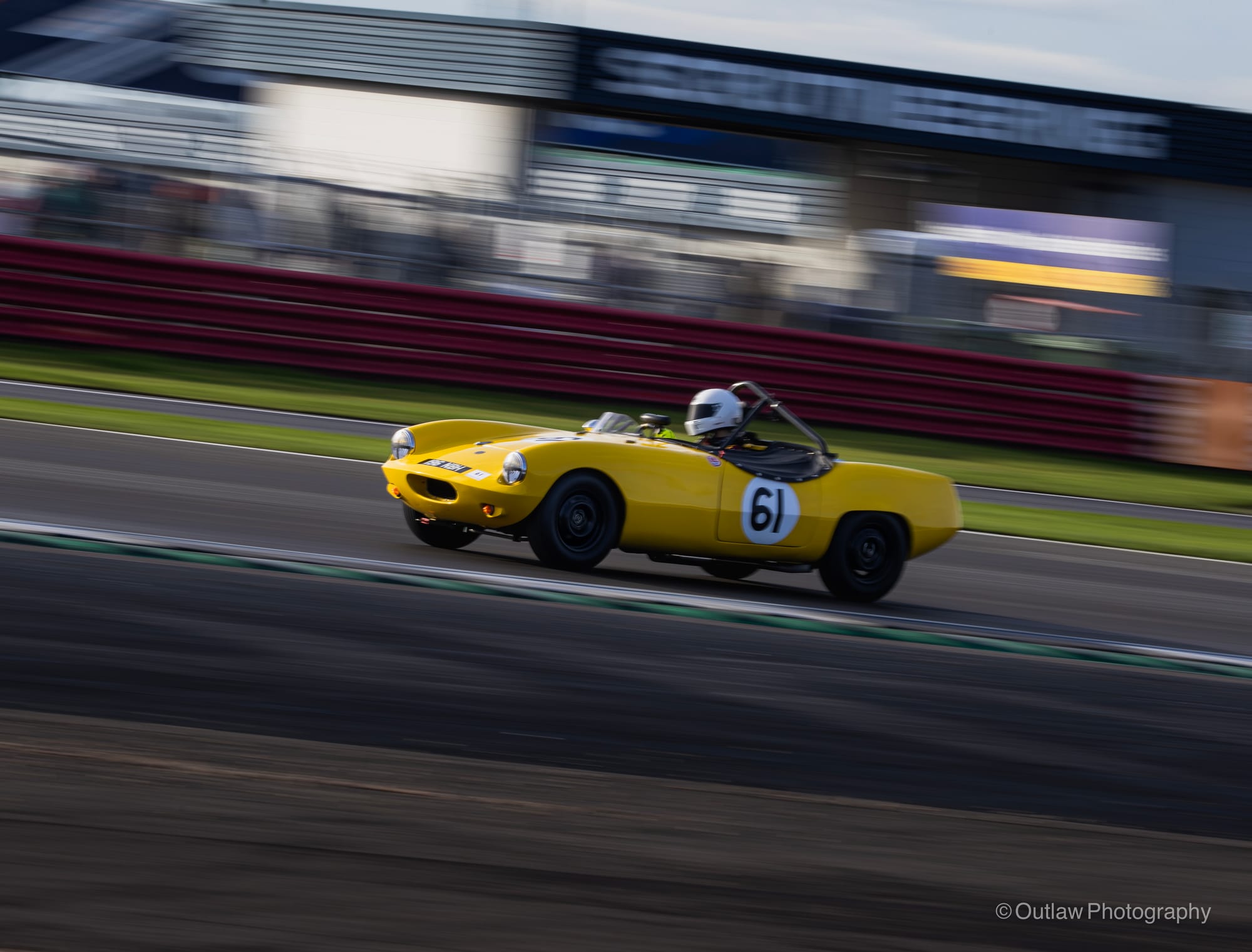
That’s part of the appeal. The Pomeroy is one of the most relaxed events on the VSCC calendar. Spectators can get close to the action, wander through the paddock and watch the tests from only a few metres away. There’s very little in the way of barriers. Drivers chat freely, bonnets are up, and you can follow the whole day without feeling shut out. For fans, it’s about as good as it gets.
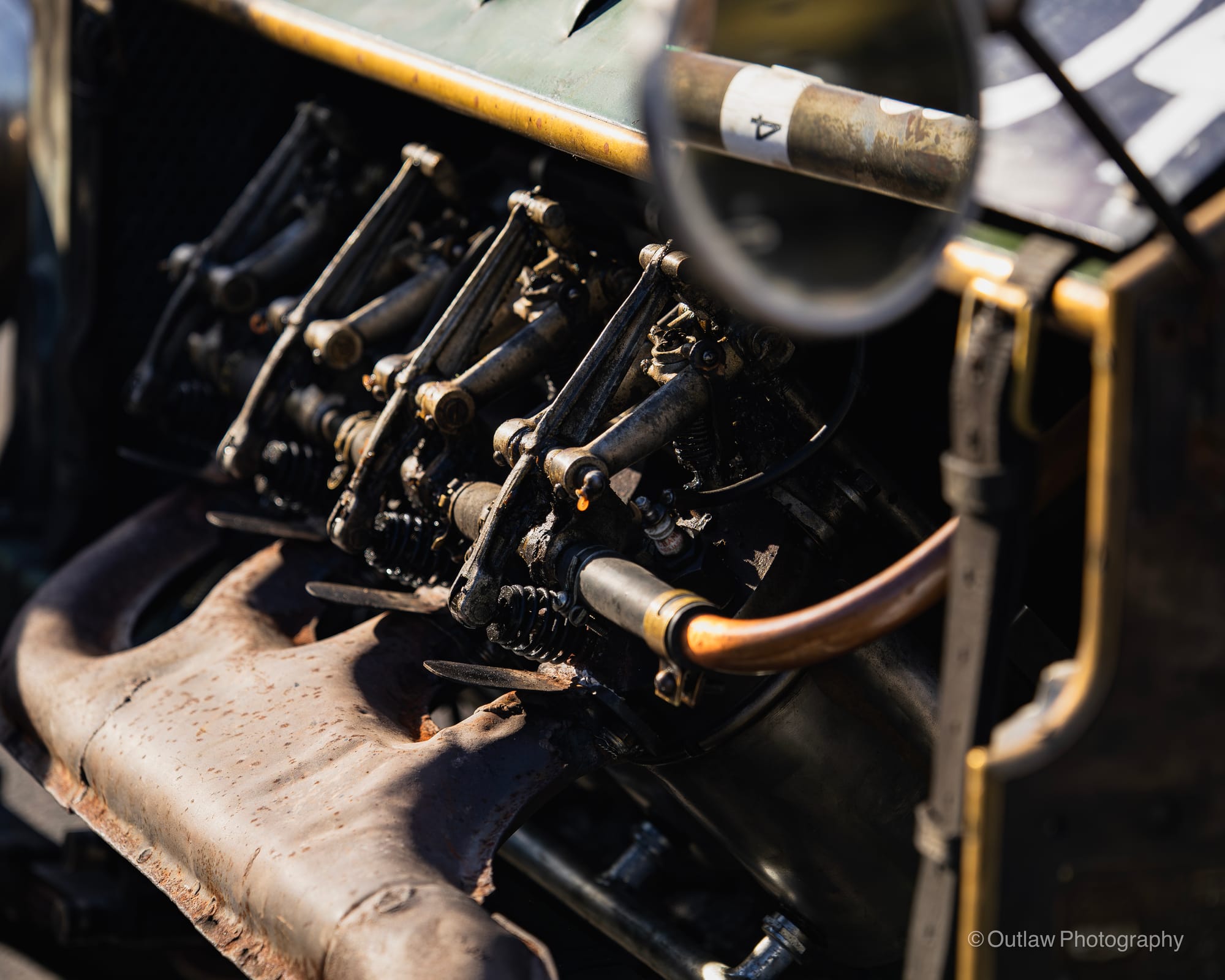
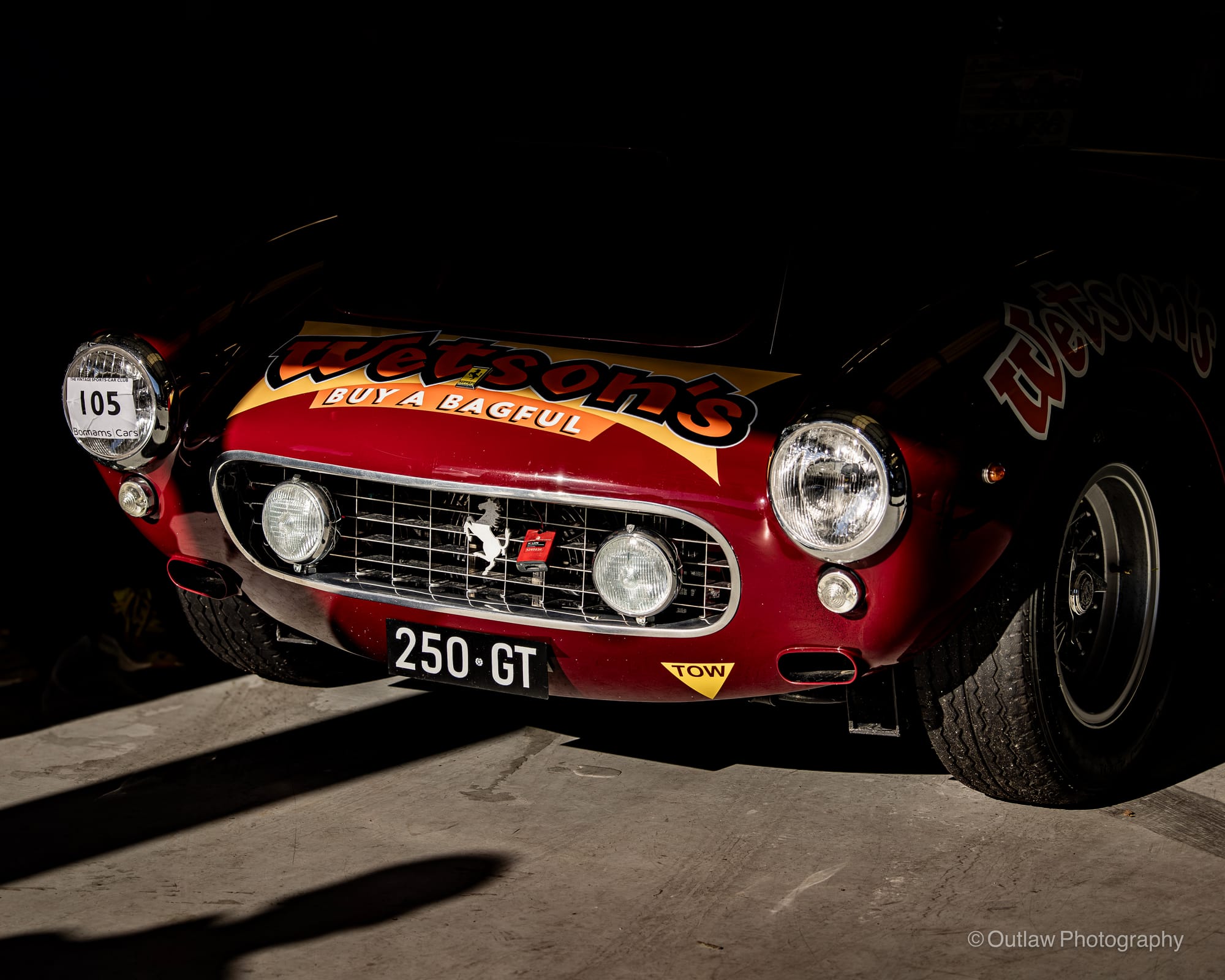
Everything builds towards Test E. Forty minutes on the Historic Grand Prix circuit at Silverstone. This year the field was split into three groups for the session. Classic, Vintage and Modern. It keeps things tidy on track but doesn’t change the objective. Each car has a target number of laps calculated by the Pomeroy formula. Too many laps and you’re penalised. Too few and the same applies. It’s a test of judgement more than outright pace. On a cold surface, with traffic to manage and brakes to look after, it demands concentration right to the chequered flag.
By the end of the day the results reflected just how competitive and varied the field had been. Taking overall honours at this 70th running was Theodore Hunt in the Frazer Nash TT Replica, his total of 443.99 securing the Pomeroy Trophy. It was a strong, consistent performance across the tests and on track, exactly what the event rewards.
Andrew Smith finished second overall in his Frazer Nash Super Sports with a score of 432.43, taking the Densham Trophy for the best VSCC-eligible pre-war car not winning the main award. The Gordon Spice Cup for non-road cars went to Patrick Blakeney-Edwards in the BMW CSL on 418.57, a reminder that the later machinery can be just as effective in this format. In the smaller-capacity class, Richard Stott claimed the Voiturette Trophy in his 847cc MG PA with 361.04, while the Edwardian honours went to Andrew Howe-Davies in the 1914 Straker-Squire TT Racer, his 342.9 securing the Pomeroy Edwardian Trophy and ensuring the earliest cars remained very much part of the story.
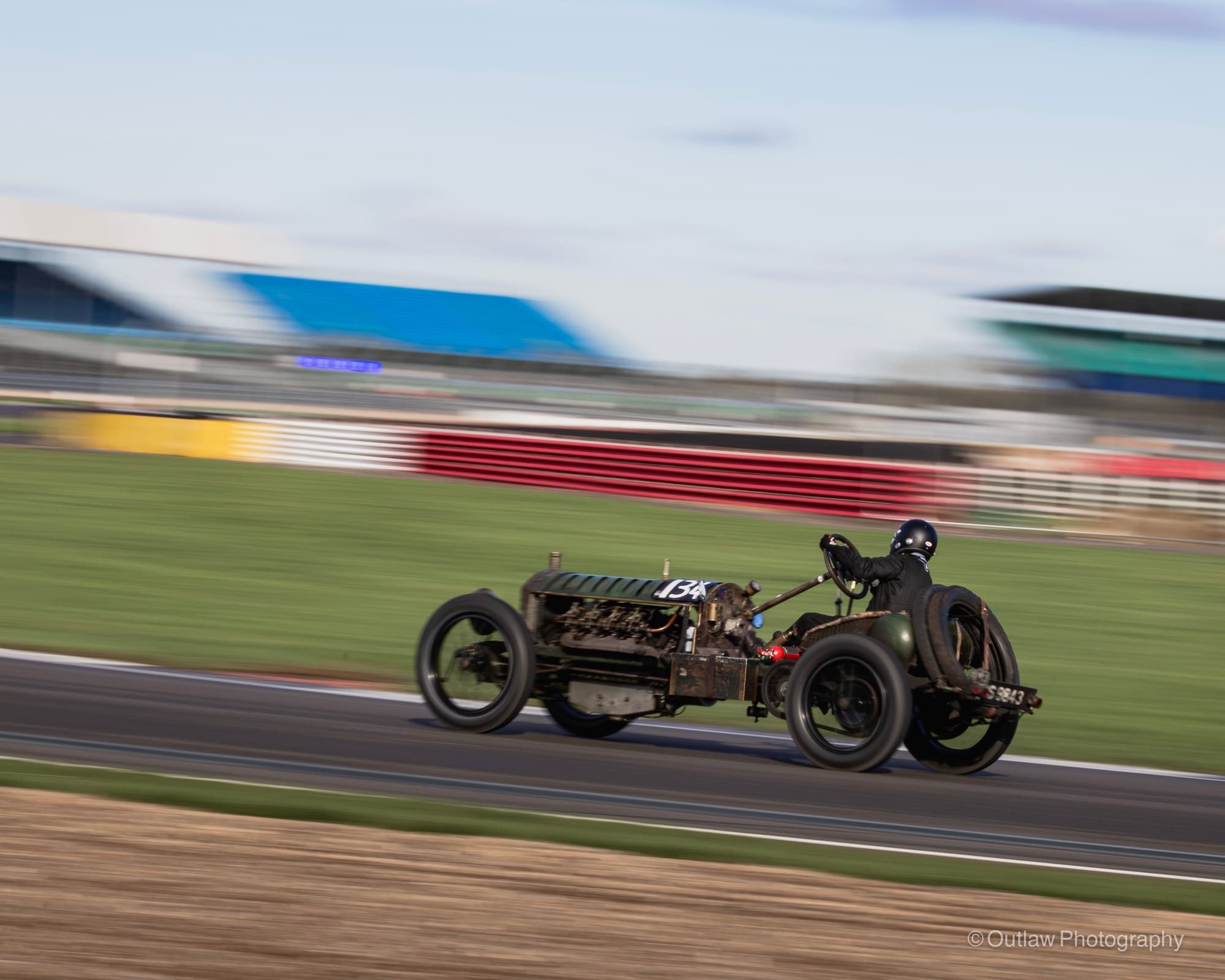
The Pomeroy Trophy has always been about more than one car or one result. It’s about variety, accessibility and a shared appreciation for machinery that was built to be used. Cars from different eras, different philosophies and different levels of performance all measured against the same formula. Cold weather, the odd spin and a few flying cones just add to it. Seventy runnings in, it still feels unique.